
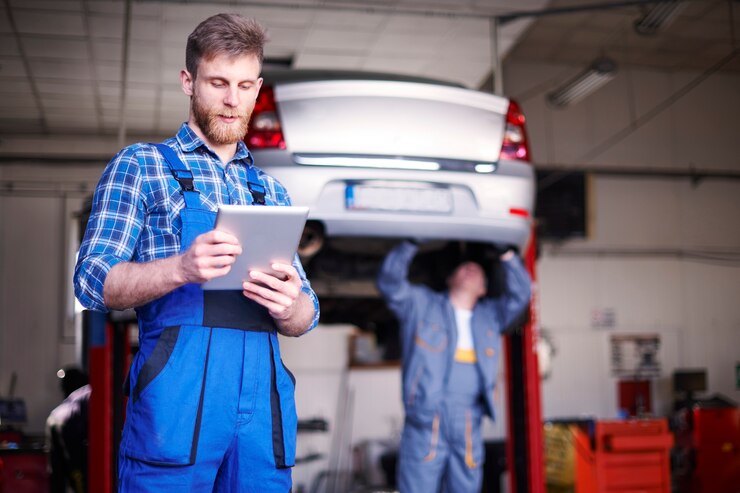
Neglecting car maintenance might not seem like a big deal—until you’re stranded on the side of the road. Regular upkeep isn’t just about keeping your vehicle looking good; it’s the key to safety, performance, and saving money in the long run. In this article, we’ll break down the essential car maintenance tasks you should never ignore if you want to keep your car running smoothly and avoid costly repairs down the road.
Importance of Regular Oil Changes
Changing a vehicle’s engine oil is often regarded as the cornerstone of vehicle maintenance. It not only lubricates the engine’s components, reducing friction and preventing wear but also assists in regulating engine temperature. Typically, the recommendation is to change the oil between 5,000 and 7,500 miles, or at least twice a year, depending on the vehicle’s age and driving conditions. Adhering to this schedule significantly boosts your vehicle’s performance and lifespan.
Understanding Oil Types
When it comes to engine oil, there are various types: conventional, synthetic, and synthetic blend. Each type has its pros and cons:
- Conventional Oil: A budget-friendly choice, best for standard engines operating under mild conditions.
- Synthetic Oil: Offers superior performance, particularly for high-performance engines, because it withstands higher temperatures.
- Synthetic Blend: An amalgamation of synthetic and conventional oils, providing better protection at a reasonable price.
The Necessity of Brake Maintenance
Brakes are arguably the most essential safety feature in a vehicle. Regular examination and replacement of brake pads are vital for maintaining braking effectiveness. Brake pads generally wear out within 25,000 to 50,000 miles. As they wear, drivers may encounter squeaking sounds or vibrations – indicators that it’s time for a replacement.
The Role of Brake Fluid
In addition to changing brake pads, monitoring your brake fluid is equally vital. Brake fluid degrades over time and can significantly affect braking performance.
- Inspection Schedule: Always check and replace brake fluid during oil changes.
- Change Frequency: Typically recommended every two years, but check with your mechanic if unsure.
Fluid Checks to Keep Your Car Run Smoothly
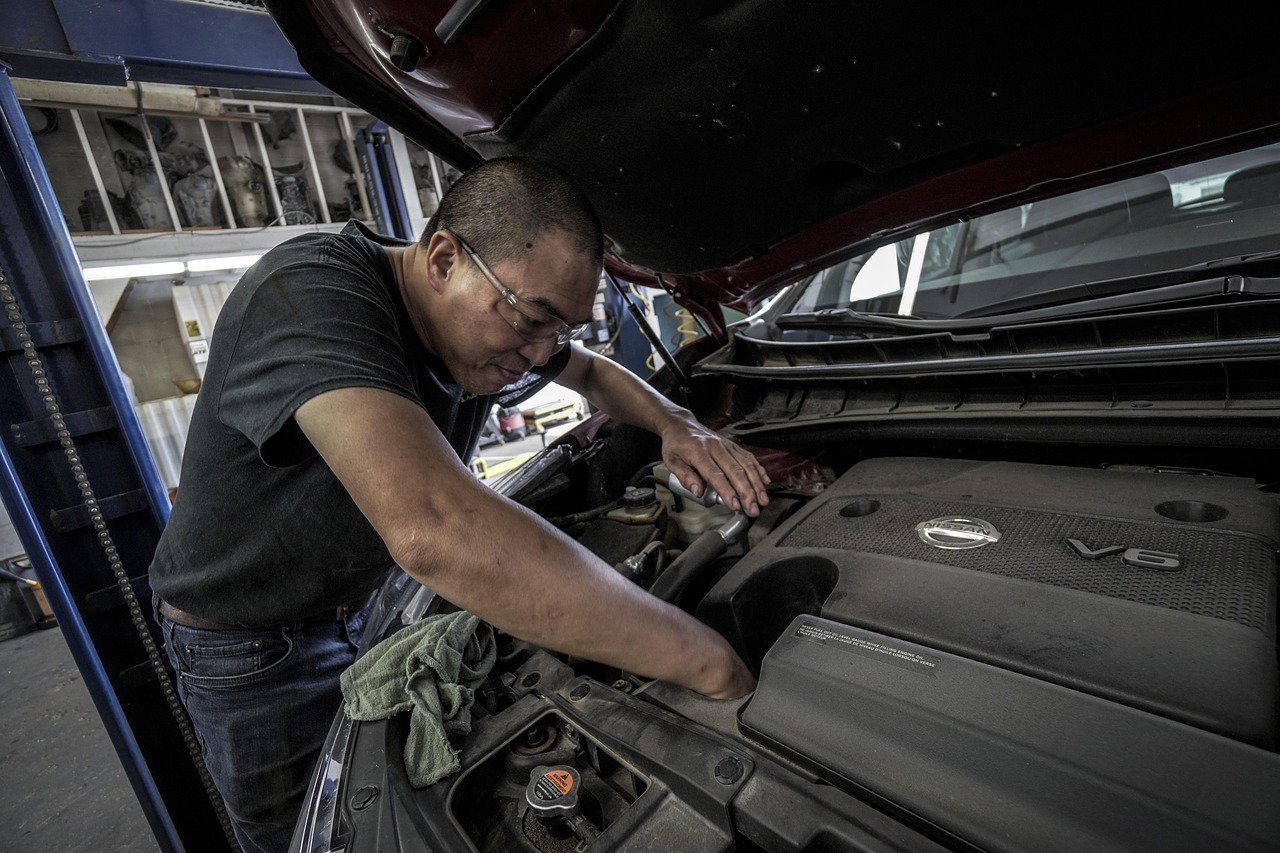
Aside from engine oil and brake fluid, various other fluids in your vehicle require regular checks and maintenance. This includes transmission fluid, coolant, power steering fluid, and differential fluid. Each of these plays a vital role in your vehicle’s functioning.
Key Fluids to Monitor
Here’s a breakdown of the crucial fluids and their maintenance intervals:
| Fluid Type | Check Frequency | Notes |
|---|---|---|
| Transmission Fluid | Every 30,000 to 100,000 miles | Change when low or discolored. |
| Coolant | Every 60,000 miles | Essential for engine overheating prevention. |
| Power Steering Fluid | Every 30,000 miles | Check for cloudy or dark appearance. |
| Differential Fluid | Every 30,000 to 60,000 miles | Ensures smooth turning and stability. |
Checking and Replacing Wipers and Lights
Visibility is key to safe driving, and properly functioning windshield wipers and lights are vital components. The inconvenience of faulty wipers is compounded during poor weather, so replacing them routinely is critical.
Maintaining Wipers and Lights
- Wipers: Inspect every six to twelve months for wear. Most importantly, replace if streaking occurs.
- Lights: Check all exterior lights, including headlights and taillights, at least once a year.
Having functioning lights is essential not only for your visibility but for ensuring you are seen by other drivers. Skipping these checks may lead to unnecessary traffic stops or accidents.
Regular Exterior Cleaning and Maintenance
Washing your car may seem like an aesthetic concern, but it plays a pivotal role in protecting your investment. Dirt, debris, and corrosive substances accumulate on your vehicle over time, affecting the paint and metal underneath.
Benefits of Maintaining Your Vehicle’s Exterior
A regular wash, ideally every two weeks or more frequently in winter conditions, can help extend the lifespan of your vehicle. However, how you wash is just as important as how often:
- Use Quality Products: Invest in good soap and wax for optimal results.
- Avoid Automatic Washes: If possible, hand wash to avoid scratches.
- Regular Inspections: Check for scratches, dings, or rust that need addressing.
Neglecting to maintain the exterior can lead to more serious issues down the line, such as rusting, which is significantly costlier to fix than regular washing. For professional washes, consider options like Doug’s Auto Care, who offer complete detailing services.