Despite its role, which is often overlooked, the exhaust manifold is nonetheless an essential component of your vehicle’s exhaust system. Subjected to extreme rises in temperature and to repeated cooling cycles, this part undergoes a natural process of wear. However, cracks can appear over time, leading to exhaust gas leaks, a drop in performance, and even internal damage to the engine. So what actually causes these cracks, and how can they actually be repaired? Let’s examine the causes of these common failures, the methods used for diagnosis, and the solutions that are proposed.
Understanding the Causes of Cracks in Exhaust Manifolds
The main factors behind cracks in the exhaust manifold include repeated heat cycles, localized overheating, mechanical problems, and manufacturing defects. These issues are often made worse by age and by the normal wear of the engine’s components.
Thermal Cycling and Material Fatigue
When an engine is running, the exhaust manifold undergoes intense cycles of heat. With each rise in temperature, the metal expands, then contracts again as it cools. This process, repeated thousands upon thousands of times, causes fatigue in the materials. Materials such as cast iron and steel, although they are sturdy and robust, have a resistance threshold which, once it is exceeded, can cause cracks to form, particularly during rapid changes in temperature.
Symptoms and Methods for Diagnosing Cracks
Identifying a crack in the exhaust manifold can prove to be tricky, since certain symptoms can present themselves in ways similar to other mechanical problems. Here are a few signs worth watching for:
- A ticking or clicking noise at startup that goes away once the engine has warmed up.
- Unusual vibrations within the exhaust system itself.
- A smell of exhaust fumes inside the cabin, indicating a leak somewhere.
- Engine error codes that are related to incorrect air-to-fuel mixtures.
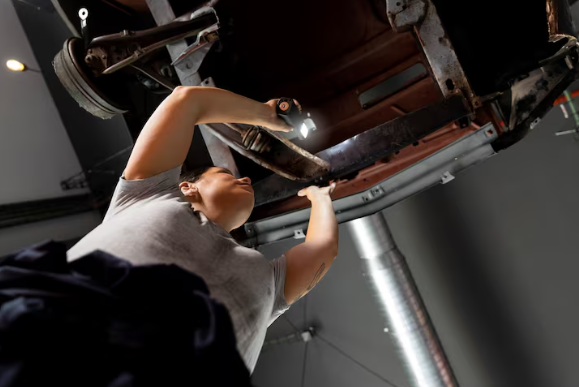
To confirm the presence of cracks, a thorough and careful visual inspection is necessary. Use a flashlight to check the gaskets as well as the body of the manifold, in order to detect any possible traces of soot infiltration.
Proactive Inspection and Leak Testing
A systematic approach involves examining the exhaust manifold during every single maintenance service. One simple method consists of performing a smoke test in order to identify leaks that are otherwise invisible. Seal off the exhaust outlet and inject smoke into the system: the slightest escape of smoke will indicate the presence of a crack.
Repair or Replace: What You Need to Know
The decision of whether to repair or to replace a cracked exhaust manifold depends on several factors, particularly the location of the crack itself and the overall extent of the damage. Minor cracks can sometimes be repaired using a high-temperature epoxy, although this solution is not always fully reliable. On the other hand, a manifold that is damaged beyond repair will most likely require a complete replacement.
| Crack Type | Recommended Action |
|---|---|
| Minor Crack | Repair with epoxy or welding |
| Major Crack | Replace the manifold |
| Manufacturing Defect | Replace with an identical part, checking for weak points |
Preventing Premature Manifold Wear
In order to ensure the long-term longevity of your exhaust manifold, it is essential to adopt good maintenance practices and habits. Here are a few tips to help you avoid problems down the road:
- Perform regular maintenance on both the engine and the exhaust system.
- Check the fasteners and gaskets regularly to prevent any leaks.
- Replace worn or faulty exhaust system components as quickly as possible.
- Never ignore any warning signs, such as unusual noises or unexpected vibrations in the vehicle.
Prevention is the key to avoiding a premature replacement of the exhaust manifold and to guaranteeing optimal performance from your engine. By keeping a close eye on the overall condition of your vehicle and paying attention to the symptoms described above, you can extend the working life of this crucial component. Contact Clifton Precision Machine Shop to help you.