Awnings have become a crucial element in enhancing residential comfort and energy efficiency. As the demand for sustainable living grows, more homeowners are looking for innovative solutions to combat rising temperatures and increase privacy. The right awning can block harmful UV rays, reduce indoor heat, and even save on energy bills. With a myriad of options available, it’s essential to understand which type of awning best fits your needs. This article explores the different types of awnings and their respective benefits for homeowners seeking effective heat protection.
Understanding the Types of Awnings for Residential Heat Protection
When selecting an awning, homeowners should first consider the various types and their suitability for specific needs. Here’s a more in-depth look at the predominant types of residential awnings:
- Retractable Awnings: These versatile structures can be extended or retracted depending on the weather conditions. When extended, they provide significant shade and heat protection during hot days, while allowing homeowners to enjoy sunshine when desired.
- Fixed Awnings: Affixed permanently to a structure, fixed awnings create a sturdy barrier against the sun. They are particularly useful for patios and entryways, ensuring consistent shade and weather protection without requiring any manual intervention.
- Portable Awnings: Ideal for outdoor events or temporary installations, these lightweight awnings are easy to set up and remove. However, they may not offer the same durability as fixed or retractable options.
- Motorized Awnings: Featuring automatic mechanisms, motorized awnings allow users to operate them with the push of a button. This modern convenience greatly enhances comfort and ease of use.
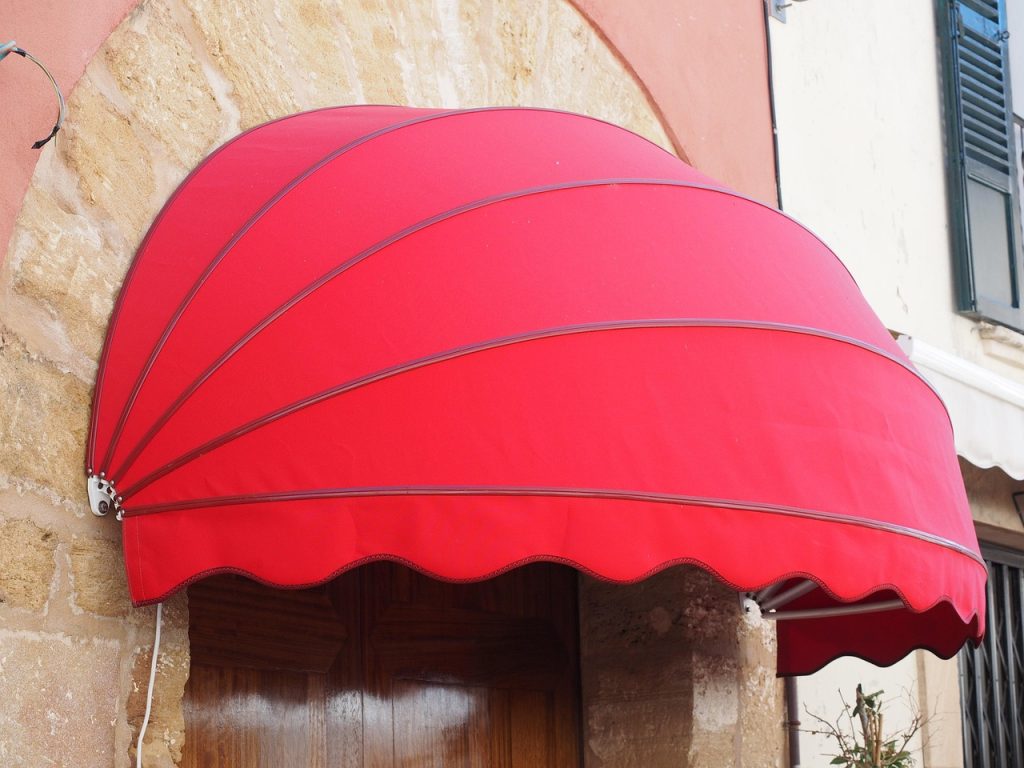
- Fabric Awnings: Recognized for their aesthetic appeal, fabric awnings come in various colors and patterns, making them a popular choice for homeowners looking to enhance their property’s curb appeal.
The Benefits of Retractable Awnings for Heat Control
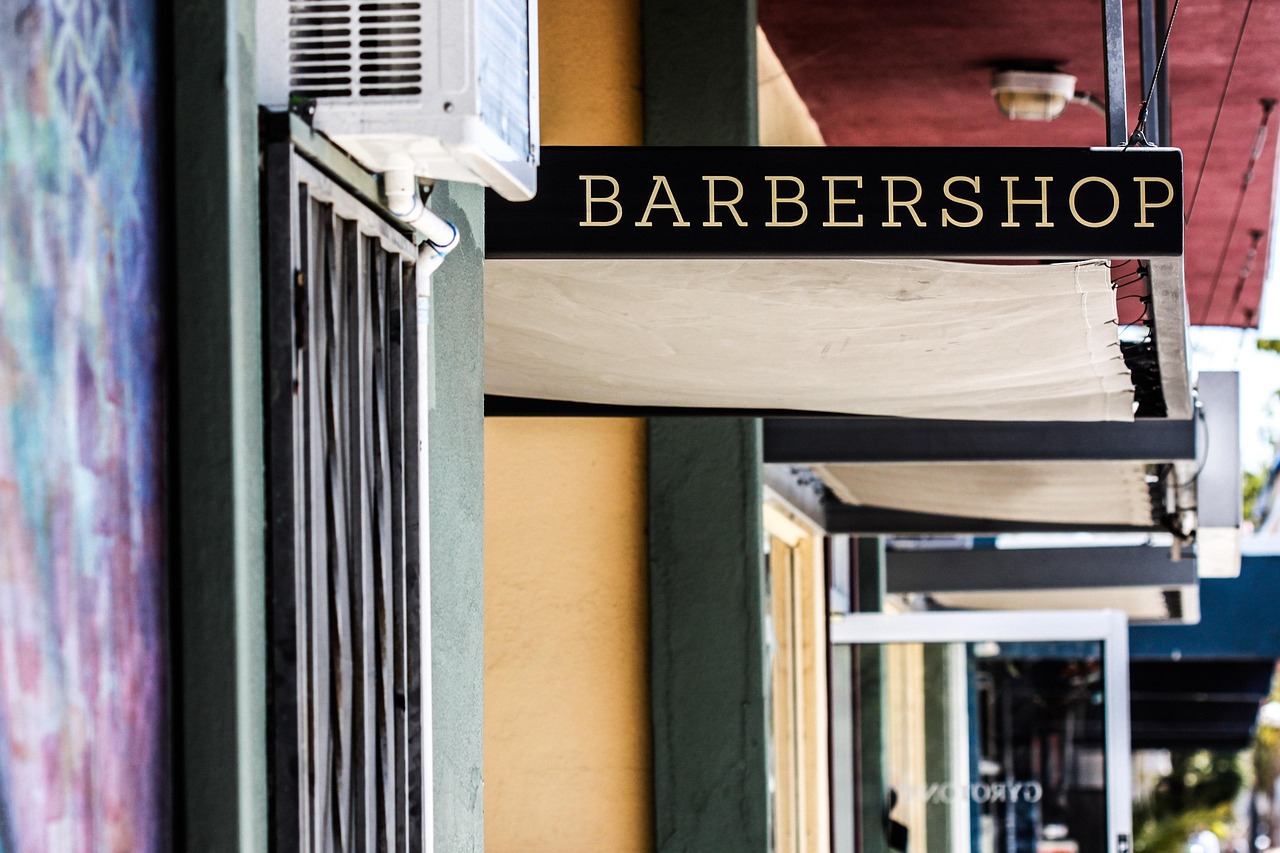
Retractable awnings are among the most sought-after options due to their adaptability and effectiveness in providing shade. Their ability to be rolled back allows homeowners to tailor their outdoor environment according to changing weather conditions. In the sweltering heat of summer, these awnings can significantly lower indoor temperatures, thereby reducing air conditioning costs.
The technology behind retractable awnings has advanced remarkably. Most modern models come with weather-resistant fabrics that not only block harmful UV rays but also reduce glare, thus creating a comfortable outdoor living space. Here are some additional advantages:
- Convenience: As they can be opened and closed at will, retractable awnings allow for maximum flexibility. Homeowners can enjoy sunshine or shade as they see fit.
- Variety of Materials: Available in different fabrics, styles, and designs, homeowners can easily choose an awning that complements their home’s design and enhances its appeal.
- Ease of Operation: Many retractable awnings come with motorized options for easy deployment, enhancing user convenience.
Despite their many advantages, retractable awnings do come with considerations. They often require more maintenance due to their mechanical components, and they can be more expensive than other types of awnings. However, their ability to provide shade and heat protection makes them a worthwhile investment for many homeowners.
Fixed Awnings: A Durable and Consistent Solution
Fixed awnings represent a robust option for homeowners seeking consistent protection against sunlight and precipitation. These structures are often made from durable materials, ensuring longevity and resilience against harsh weather conditions.
The stability offered by fixed awnings makes them ideal for permanent setups over patios, entryways, or windows. Homeowners can depend on them to provide consistent shade without the worry of mechanical failures common with retractable systems. Here are some key points about fixed awnings:
- Durability: Most fixed awnings are engineered to withstand high winds and heavy rainfall, making them less prone to damage compared to lighter designs.
- Minimal Maintenance: Unlike retractable awnings, fixed models typically require less frequent maintenance, simplifying long-term ownership.
- Design Flexibility: They can be customized in size and design to complement various architectural styles, adding to their appeal.
However, fixed awnings do have limitations. One significant disadvantage is their inability to retract; during extreme weather conditions, fixed awnings can accumulate snow or rainwater, leading to potential damage. Homeowners in areas prone to severe weather should consider these factors before making a decision.
Exploring Other Options: Portable and Motorized Awnings
In addition to retractable and fixed awnings, portable and motorized options are gaining popularity among homeowners. Each provides unique advantages that cater to specific needs.
Portable Awnings: Versatility at Its Best
Portable awnings are perfect for those who enjoy outdoor activities and require temporary shade solutions. Their lightweight design makes them easy to transport and set up, whether at picnics, markets, or other outdoor events.
- Flexibility: These awnings offer immediate shade wherever needed, and they can be easily relocated based on the sun’s position.
- Installation Ease: Generally designed for quick assembly, they can be set up by one person without any tools.
Despite their advantages, portable awnings may not provide the same level of sturdiness as fixed or motorized options. They are generally better suited for occasional use rather than as a permanent fixture.
The Luxury of Motorized Awnings
Motorized awnings combine modern technology with traditional shading benefits, allowing homeowners to enjoy enhanced convenience. With the touch of a button, they can extend or retract, making it easier to adapt to changing conditions.
- User-Friendly: The effortless operation offers a luxurious experience, making them appealing to many homeowners.
- Remote Control: Many of these models can be controlled via remote, and in some cases, can be integrated into smart home systems.
However, motorized awnings require access to electricity and might need specialized maintenance to ensure their mechanisms remain operational.
Material Matters: Fabric vs. Metal Awnings
Choosing the right material for your awning is crucial for ensuring performance and durability. The two most common materials for awnings are fabric and metal, each bringing distinct advantages and disadvantages. Understanding these differences can help homeowners make informed decisions.
Fabric Awnings: Aesthetics and Functionality
Fabric awnings are a favorite for many due to their aesthetic appeal and customizable designs. Homeowners can select from a vast array of colors and patterns, allowing for a personalized touch. Additionally, modern fabrics are treated to resist water and UV damage, extending their lifespan.
- Color Variety: With many fabric options available, homeowners can match their awnings to their existing decor or landscape.
- Cost-Effective: Generally, fabric awnings are more affordable than metal alternatives, making them accessible budget-wise.
However, fabric awnings do require regular maintenance to prevent fading and damage from prolonged exposure to the elements.
Metal Awnings: Strength and Longevity
Metal awnings, crafted from materials like aluminum and steel, are known for their durability and fire resistance. This makes them a long-term investment, providing reliable protection for years to come.
- Longevity: Metal awnings typically have a longer lifespan than fabric options, offering excellent value over time.
- Low Maintenance: These structures generally require less upkeep than fabric units and do not fade easily under sun exposure.
However, the downside of metal awnings includes their potential for noise during rainstorms and heat retention. In hot climates, they can radiate heat, potentially making shaded areas warmer.
| Awning Type | Material | Durability | Maintenance Level | Cost |
|---|---|---|---|---|
| Retractable | Fabric | Moderate | High | High |
| Fixed | Metal | High | Low | Moderate |
| Portable | Fabric | Low | Moderate | Low |
| Motorized | Fabric | Moderate | High | High |
| Metal | Metal | Very High | Low | Moderate to High |
In conclusion, selecting the right type of awning for heat protection is a multifaceted decision that involves weighing the pros and cons of various options. With advances in design and technology, homeowners can now choose from an array of high-quality awnings tailored to their specific needs. Whether it be retractable, fixed, motorized, or portable, ensuring that you invest in a high-quality solution will enhance your home’s outdoor space and protect against the elements.
For homeowners seeking to elevate their outdoor experience, consider reaching out to XXX, a company specializing in high-quality awning solutions. With an extensive array of options, they can assist you in finding the perfect match for your home’s aesthetic and functional needs.