
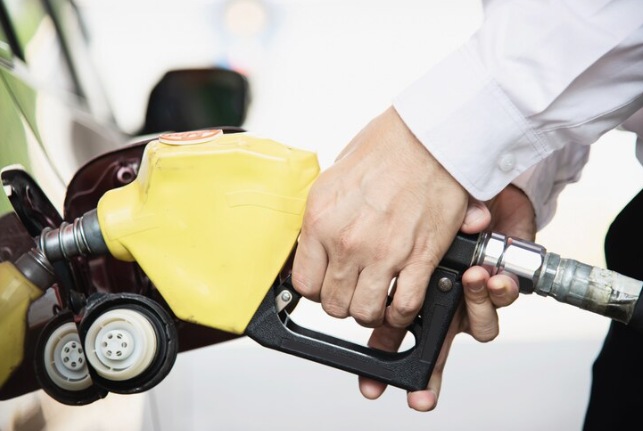
In an ever-evolving energy landscape, fuel oil delivery plays a crucial role in ensuring that commercial and residential properties maintain a stable supply of heating. However, fluctuations in demand and unforeseen disruptions can lead to significant challenges. To maintain a smooth operation without facing sudden shortages or unexpected price hikes, understanding the complexities surrounding fuel management, storage, and delivery scheduling becomes essential. In 2026, as the world continues to adapt to new energy policies and sustainable practices, strategic planning in fuel oil delivery is more critical than ever.
Understanding the Fuel Oil Supply Chain
The fuel oil supply chain comprises various stages, from production to delivery. Understanding each step can help consumers and businesses alike mitigate risks associated with shortages and pricing variability.
The supply chain begins at the oil refinery, where crude oil is converted into fuel oil. Once refined, the fuel is transported to distribution terminals, where it is stored in large tanks. Here, oil is often mixed with additives to enhance its quality and performance. Effective oil storage is vital, as improper handling can lead to product degradation or contamination.
After being stored, fuel oil is allocated for delivery based on demand forecasts. Predicting this demand accurately requires robust data analytics and an understanding of historical patterns, which can greatly influence delivery scheduling. If supply is underestimated, consumers could experience delays or even shortages. Conversely, overestimating demand can lead to unnecessary costs associated with maintaining excessive inventory.
Key Components of the Supply Chain:
- Oil Refining: Converting crude oil into usable fuel.
- Storage Facilities: Ensuring proper handling and quality control of the fuel.
- Transportation: Delivering fuel from terminals to end users.
- Demand Forecasting: Utilizing historical data and analytics to predict fuel needs.
Proactive Fuel Management Strategies
To prevent shortages and price surprises, businesses and homeowners must implement proactive fuel management strategies. This encompasses everything from monitoring consumption rates to efficient ordering practices.
Implementing a monitoring system can significantly streamline the fuel management process. By integrating smart meters and IoT devices, users can track their fuel consumption in real-time. These technologies provide data that inform when to order additional fuel, avoiding last-minute deliveries that might incur additional costs.
Furthermore, establishing long-term contracts with suppliers can shield consumers from sudden price increases. Fixed pricing agreements can stabilize costs, allowing for more predictable budgeting. Additionally, working with multiple suppliers can enhance resilience, offering alternative solutions when one provider cannot meet demand.
Suggestions for Effective Fuel Management:
- Use smart technology for real-time consumption tracking.
- Consider long-term contracts for pricing stability.
- Diversify suppliers to avoid reliance on a single source.
Addressing Delivery Scheduling Challenges
Delivery scheduling forms a critical part of the fuel oil supply. Challenges often arise from unpredictable demand spikes, especially during extreme weather conditions or seasonal fluctuations. For instance, a harsh winter can lead to a sudden increase in demand for heating oil.
To tackle these challenges, companies should develop robust logistics strategies. This can involve route optimization algorithms that minimize delivery times while maximizing fuel efficiency. Additionally, maintaining open lines of communication with customers regarding their fuel needs can provide suppliers with a clearer picture of demand, allowing for more precise delivery schedules.
Incorporating flexibility in delivery schedules is also essential. For example, providing a delivery window instead of a fixed time can enhance efficiency and customer satisfaction. This adaptability is particularly useful during peak demand periods when resources might be stretched thin.
Important Aspects to Consider in Delivery:
- Implement logistics technologies for route optimization.
- Establish clear communication with customers regarding delivery needs.
- Maintain flexibility in scheduling to adapt to demand changes.
Cost Control Measures in Fuel Oil Delivery
Managing costs effectively is paramount in the world of fuel oil delivery. Price fluctuations can often catch consumers off guard, leading to budget overruns. However, strategic planning can assist in avoiding these situations.
One approach to controlling costs involves analyzing historical price trends to identify buying patterns. This data can be pivotal for making informed purchasing decisions, such as when to acquire additional fuel. Seasonal purchasing strategies can be particularly effective; for instance, buying fuel during lower-demand periods can yield significant savings.
Whether you’re a homeowner or managing a commercial property, Heras Fuel Oil Corp offers customized solutions, long-term contracts for price stability, and expert support to keep your operations running smoothly.
