
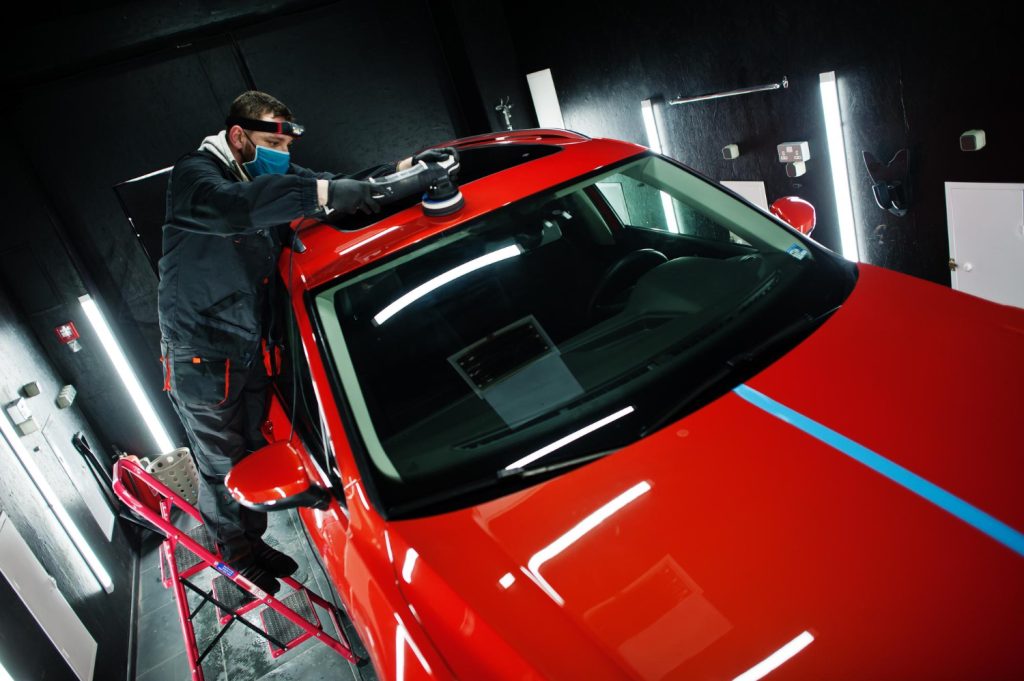
The battle for superior car paint protection has sparked considerable interest among vehicle enthusiasts and everyday drivers alike. With numerous options available, two of the most popular methods stand out: ceramic coating and wax. Each offers unique benefits and drawbacks, impacting durability, appearance, and maintenance requirements. In this detailed exploration, we dissect what each option can offer, paving the way for informed decisions regarding the best paint protection for your cherished vehicle.
Ceramic Coating: The Modern Shield for Car Paint
Ceramic coatings represent an advanced technological approach to paint protection. These liquid polymers, when applied to a car’s paint, form a strong chemical bond with the clear coat, creating a protective layer that is often likened to a glass-like shell. This bond enhances the durability of the paint and significantly improves its resistance to environmental contaminants and weather effects.
One of the standout features of ceramic coatings is their exceptional durability. When applied properly, ceramic coatings can last several months to years. This longevity eliminates the need for frequent reapplications that wax demands. Moreover, the hydrophobic properties of ceramic coatings mean that water beads off the surface easily, making it more challenging for dirt and grime to stick. This not only enhances the appearance of the vehicle but also simplifies car detailing routines, as washing becomes a less frequent task.
Moreover, ceramic coatings offer notable UV protection. This shielding is vital in preventing paint fading caused by prolonged sun exposure. In regions where the sun’s UV rays are relentless, investing in ceramic coating can preserve paint quality and finish far longer than traditional wax. Additionally, the resistance to environmental threats, such as bird droppings and acid rain, further solidifies the case for ceramic coatings as a robust defense against harsh conditions.
While the initial application of ceramic coatings is more labor-intensive and costly, the long-term benefits often outweigh these initial hurdles. With proper surface preparation and application, ceramic coatings provide an optimum solution for those seeking a long-lasting protective measure for their vehicles.
Wax: The Classic Car Paint Protector
In contrast, wax offers a more traditional approach to paint protection. Typically crafted from natural materials like carnauba, or synthetic polymers, wax provides a sacrificial layer on top of the paint. It enhances shine and offers basic protection against environmental factors, but with some limitations.
The primary appeal of wax lies in its ability to deliver a warm, rich finish that many enthusiasts favor. Unlike the cooler, glass-like appearance of ceramic coatings, wax provides a softer, more natural gloss, particularly when applied to darker colors. While this can make vehicles appear stunning, the durability of wax is significantly less than that of ceramic coatings. Typically, wax lasts only a few weeks to a couple of months, depending on environmental conditions and car care habits.
Another vital characteristic to consider is the maintenance required for waxed surfaces. Given its short lifespan, regular reapplication is necessary to maintain both the aesthetic and protective properties. This can become burdensome for those who prefer a low-maintenance alternative. Still, many car owners appreciate the simplicity and cost-effectiveness of waxing, making it a popular choice for budget-conscious individuals.
Wax does provide decent UV protection and enhances gloss but lacks the chemical resistance found in ceramic coatings. Enthusiasts often find that during deeper cleanings or harsher weather, this layer tends to wear away quickly, exposing the paint beneath to potential damage. For those who enjoy frequent detailing and do not mind reapplying every few weeks, wax remains a valid option.
Comparative Analysis: Durability, Shine, and Protection
| Feature | Ceramic Coating | Wax |
|---|---|---|
| Durability | Months to years | Weeks to a few months |
| Hydrophobic Behavior | Strong beading and sheeting | Good beading at first, fades faster |
| Gloss Level | Bright, crisp finish | Warm, soft glow |
| Chemical Resistance | Excellent | Limited |
| Maintenance | Lower effort | Frequent reapplication required |
The above table succinctly captures the core differences between these two paint protection methods. While ceramic coatings shine in terms of longevity and chemical resistance, wax appeals with its ease of application and budget-friendly nature.
Understanding the distinction between ceramic coatings and wax is crucial for making an informed decision on car paint protection. Each option has its strengths and weaknesses, making the final choice dependent on individual preferences and vehicle use. Contact Iron Detailing for professionnal helps.


