Ceramic coatings protect automotive paint with a thin layer designed to resist contaminants and simplify maintenance. Their hardness depends on formulation, application, and curing rather than one universal SiO₂ percentage or flash time. Understanding these variables helps explain why professional technique matters.
SiO₂ concentration and coating hardness
In ceramic coating services, SiO₂ means silicon dioxide, a component used in many protective coating formulas. A higher stated concentration does not automatically produce a harder or more durable finish. The coating label may also use terms such as ceramic, quartz, or glass without defining identical chemistry. For that reason, technical documentation offers a stronger basis for comparison than headline percentages alone.
Manufacturers may describe concentration differently, and the final properties also depend on binders, solvents, additives, and chemical reactions during curing. Some formulations use silica-related ingredients to support surface protection, gloss, and resistance to certain contaminants. However, SiO₂ content alone cannot reliably predict scratch resistance, flexibility, chemical resistance, or service life. A very hard layer may still suffer damage from impacts, poor washing habits, or abrasive contact.
Comparing product specifications
Installers should consult technical data sheets instead of relying only on marketing labels. Relevant details include recommended application conditions, curing periods, chemical resistance, and any stated hardness test. Comparisons become meaningful only when products use comparable testing methods and report their results clearly.
Pencil hardness, for example, measures resistance to marks from pencils under a defined procedure. It does not mean a coating can prevent every scratch or stone chip. Vehicle owners should treat hardness claims as one performance indicator, alongside durability, maintenance needs, and compatibility with the paint.
Flash time and coating formation
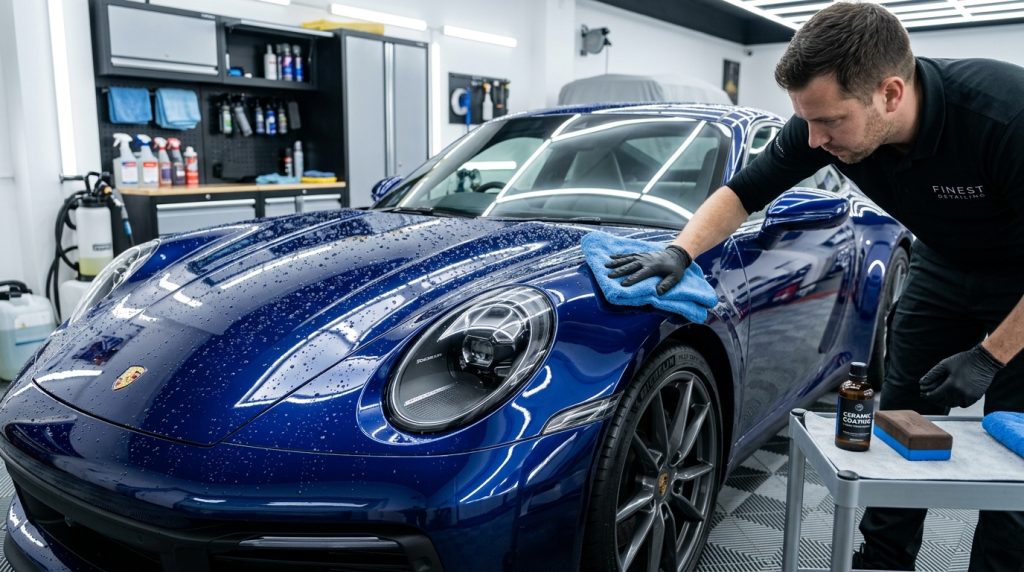
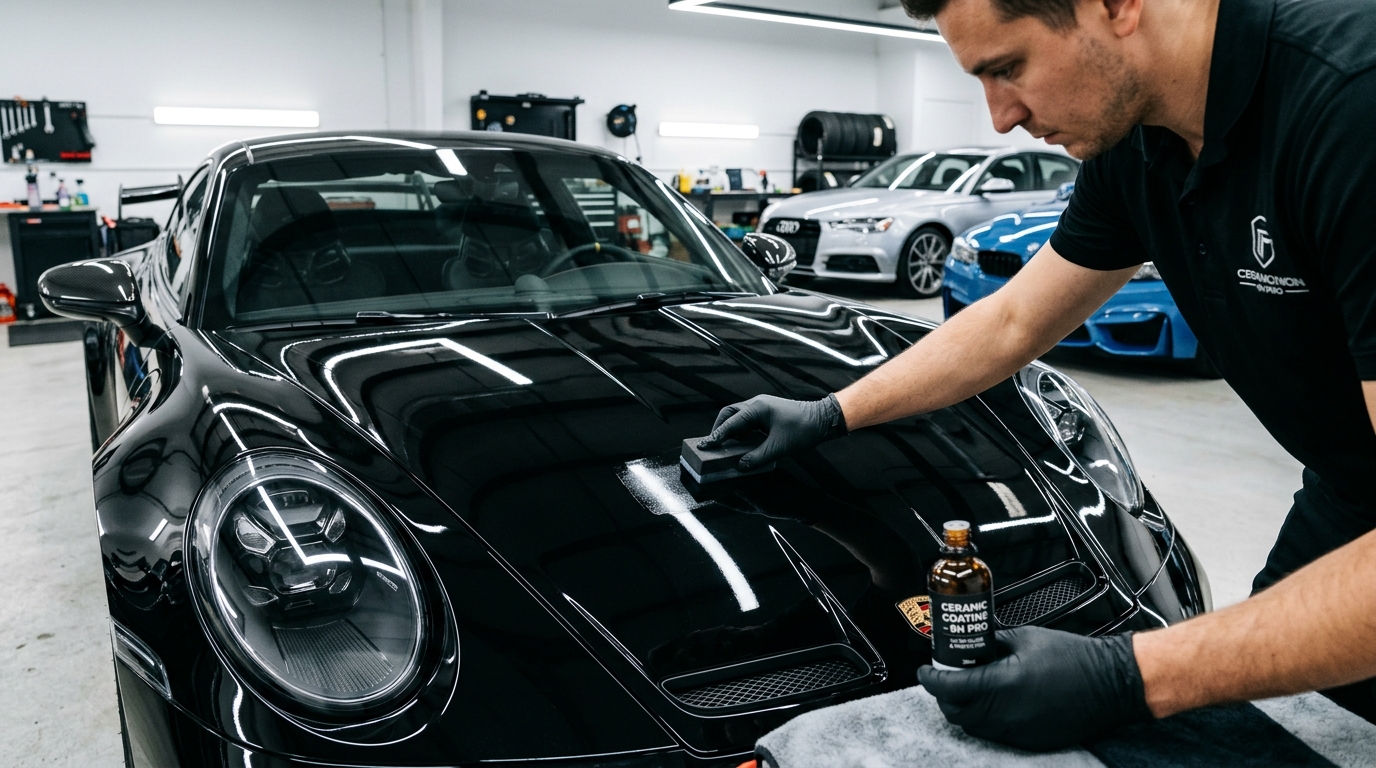
Flash time describes the interval between spreading a coating and leveling its residue. During this window, solvents or carriers evaporate and the product begins forming a film. Installers watch for visual cues specified by the manufacturer, which may include hazing, rainbowing, or a change in surface appearance.
Wiping too early can disturb the developing layer and leave uneven coverage. Waiting too long may make residue harder to remove, producing streaks, high spots, or inconsistent gloss. The correct interval varies by formula, panel temperature, humidity, airflow, and the amount applied.
Environmental factors
Temperature can change evaporation speed and the time available for leveling. Warm panels often shorten the working window, while cooler conditions may extend it. Humidity and ventilation also affect some formulations, so installers should work within the manufacturer’s stated limits.
Consistent technique matters across the entire vehicle. Applying excessive product can create uneven flash behavior, while poor lighting may hide residue until curing progresses. A controlled workspace and systematic panel-by-panel application help the installer maintain a uniform finish.
Curing and final hardness
Flash time is not the same as full curing time. After leveling, chemical reactions may continue for hours or days, depending on the coating and environment. Water exposure, washing, or chemical contact too soon can interfere with some products, so installers should explain the required aftercare.
No single SiO₂ concentration or flash interval guarantees a particular hardness across all ceramic coatings. The formula establishes potential performance, while correct application and curing help the coating achieve its intended properties. Owners should follow the product-specific guidance rather than applying generic timing rules from another brand. Manufacturer guidance should always take precedence over assumptions.
Conclusion
Ceramic coating hardness reflects formulation, flash timing, application quality, and complete curing. SiO₂ concentration offers useful context but cannot predict performance by itself. A qualified detailing professional can interpret product specifications and select a coating suited to the vehicle’s needs.