Turbocharging allows a relatively small engine to produce the power and pulling force associated with a larger one. By using energy from the exhaust to push more air into the cylinders, a turbocharger can improve engine performance without relying solely on greater engine capacity.
That added airflow can also support fuel efficiency, but the result depends on how the engine is designed and driven. Understanding boost pressure, combustion and emissions helps explain both the benefits of turbocharging and the care required to make it work well.
Understand how turbocharging increases engine performance
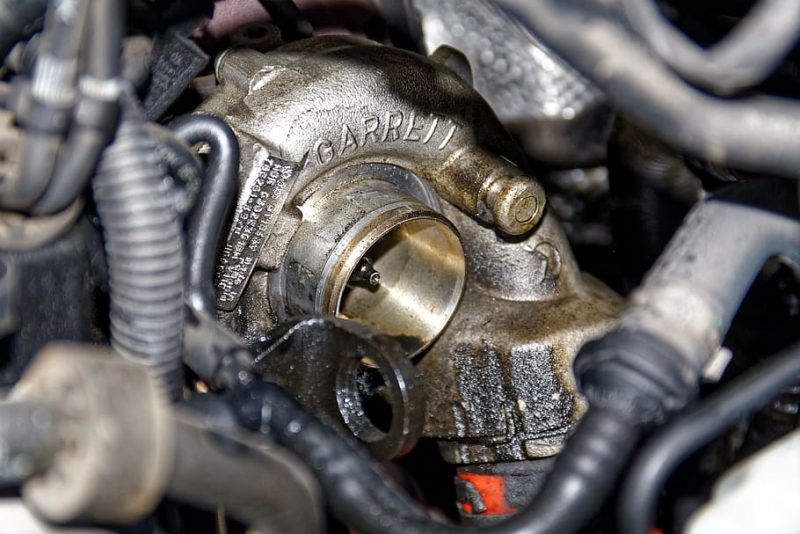
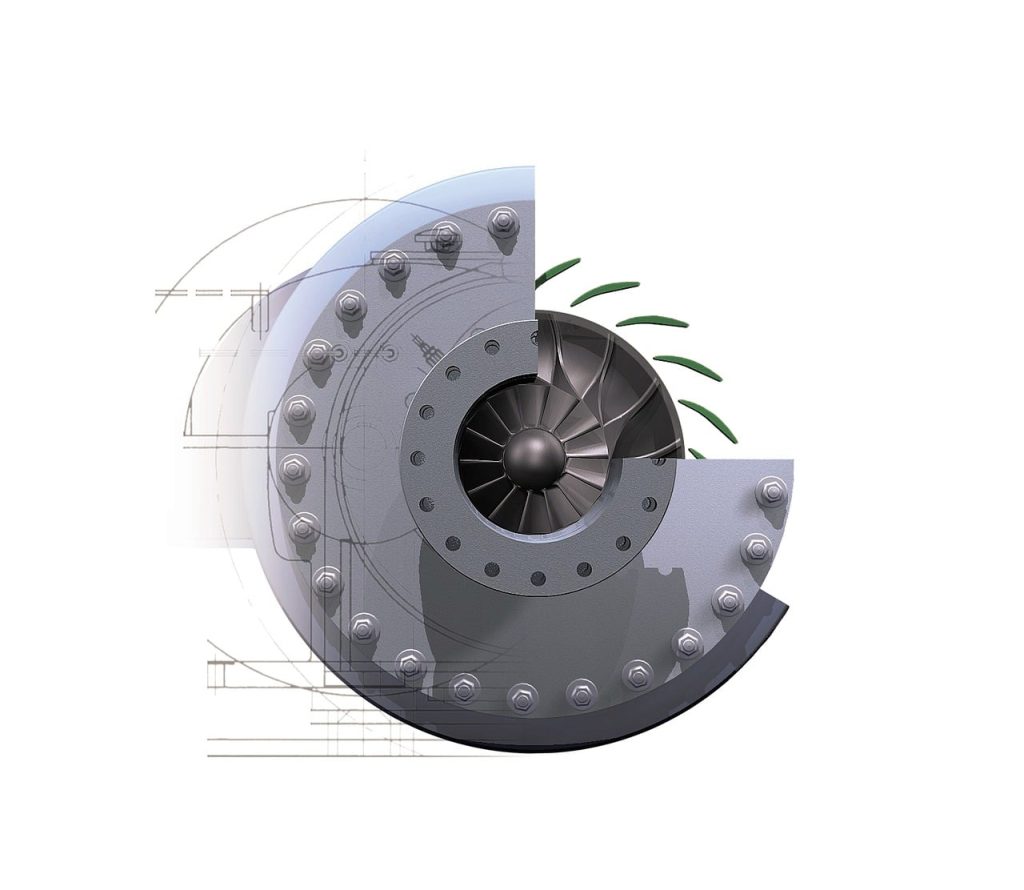
A turbocharger is a form of forced induction: it compresses air before that air enters the engine. The system uses a turbine driven by exhaust gas energy, which spins a compressor connected to it by a shaft.
To see why this matters, it helps to follow the air and exhaust through the engine as a connected process.
Follow exhaust gas energy through the turbocharger
After combustion, hot exhaust gases flow across the turbine wheel and make it rotate. The turbine drives the compressor, which draws in and compresses fresh air before sending it towards the engine’s air intake.
Because compressed air is denser, each cylinder can receive more oxygen during its intake stroke. The engine can then burn more fuel in a controlled way, producing greater force on the pistons. This is how a compact engine can deliver stronger torque and power than its size alone might suggest.
Manage boost pressure and response
Boost pressure describes the pressure added to the incoming air above normal atmospheric pressure. Engine controls regulate this pressure, while components such as a wastegate help prevent the turbocharger from supplying more boost than the system is designed to handle.
Turbo response is not instantaneous: the turbine needs exhaust flow to accelerate, creating a brief delay often called turbo lag. Modern control systems and carefully matched components can reduce that delay, helping power build more smoothly as engine speed and load rise.
Improve fuel efficiency without overlooking trade-offs
A turbocharger can help an engine make useful power from a smaller displacement. In suitable conditions, a smaller turbocharged engine may use less fuel than a larger naturally aspirated engine delivering comparable performance, because it can avoid carrying and filling as much engine capacity during lighter operation.
The efficiency benefit is not automatic, however. Hard acceleration and sustained high loads demand more fuel, and a turbocharged engine may consume more when its additional power is used frequently.
Connect combustion with real-world fuel use
More air gives the engine greater potential to burn fuel effectively, but fuel delivery, ignition timing, compression and temperature must all be carefully controlled. The engine management system adjusts these factors to support stable combustion across changing speeds and loads.
For drivers, the practical lesson is that gentle, steady operation can make better use of a downsized engine’s efficiency potential. Frequent high-boost driving changes the equation: greater output requires more energy, so fuel consumption can rise.
Balance emissions and engine protection
Turbocharging does not by itself guarantee lower emissions. Exhaust treatment systems, engine calibration, fuel quality and operating conditions all affect pollutants, while some engines also use cooled exhaust-gas recirculation to control combustion temperatures and reduce nitrogen oxides.
Heat and pressure also place demands on engine oil, cooling and intake components. Following the manufacturer’s service schedule and using the specified fluids help protect the turbocharger and maintain its performance over time.
The following comparison shows how the main effects relate to one another; actual results vary with engine design and driving conditions.
| System feature | Potential benefit | Key consideration |
| Compressed air | More oxygen available for combustion | Requires carefully controlled boost |
| Smaller engine capacity | Can reduce fuel use under suitable conditions | Hard use may increase consumption |
| Exhaust-driven turbine | Recovers energy from exhaust flow | Heat and lubrication need attention |
| Engine management | Coordinates air, fuel and ignition | Calibration influences emissions and response |
Choose and maintain a turbocharged engine wisely
Turbochargers are used in petrol and diesel cars, commercial vehicles and performance applications, but their behaviour differs with engine design. A diesel engine, for instance, can use increased intake pressure to supply more air for its combustion process, while petrol engines rely on precise control of fuel and ignition to manage heat and pressure.
For a broader look at turbocharged vehicles, this overview of turbocharger applications provides additional context. The technology’s value lies not simply in maximum output, but in how effectively the complete engine meets its intended use.
When comparing engines, consider the driving conditions, the required response and the manufacturer’s maintenance guidance. A second guide to turbocharged engine design can help frame those questions alongside details specific to the vehicle.
Turbocharging links exhaust energy, airflow and combustion to deliver a useful balance of performance and efficiency. For vehicle-specific advice or diagnosis of a turbocharger fault, consult a qualified automotive professional.