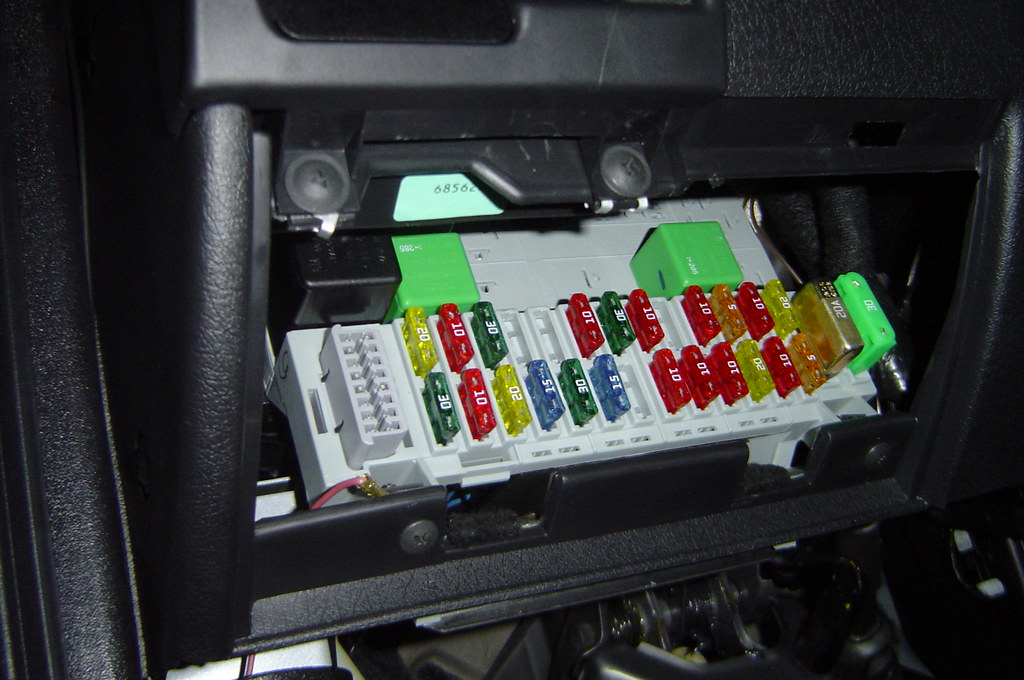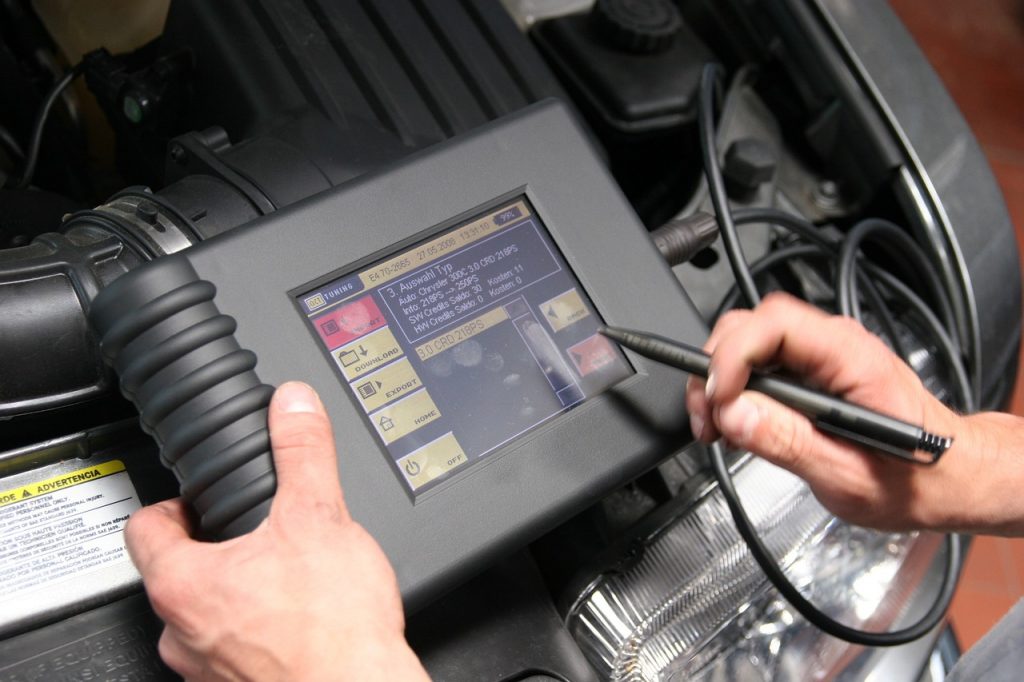

The Engine Control Unit (ECU) acts as the brain of modern vehicles, managing numerous engine functions. Smooth communication between the ECU and various sensors ensures optimal performance and fuel efficiency. When this communication falters, it can lead to perplexing issues such as intermittent engine misfires, causing the engine to hesitate or lose power sporadically.
Key Steps to Diagnose ECU Communication Errors
Addressing ECU-related troubles involves a logical sequence of diagnostic checks that technicians rely on to isolate faults efficiently. Starting with visual inspections and progressing to advanced electronic scanning is the norm.
First, examine all relevant wiring harnesses and connectors for signs of wear, corrosion, or loose fittings—these are common causes of signal disruptions. Next, employ an OBD-II scanner to retrieve fault codes stored by the ECU, which provide valuable clues about the problematic system or sensor.
If error codes linked to communication failures appear, further investigation into sensor operation and voltage levels helps identify the culprit. In some cases, updating or reflashing the ECU’s software resolves underlying glitches causing intermittent errors.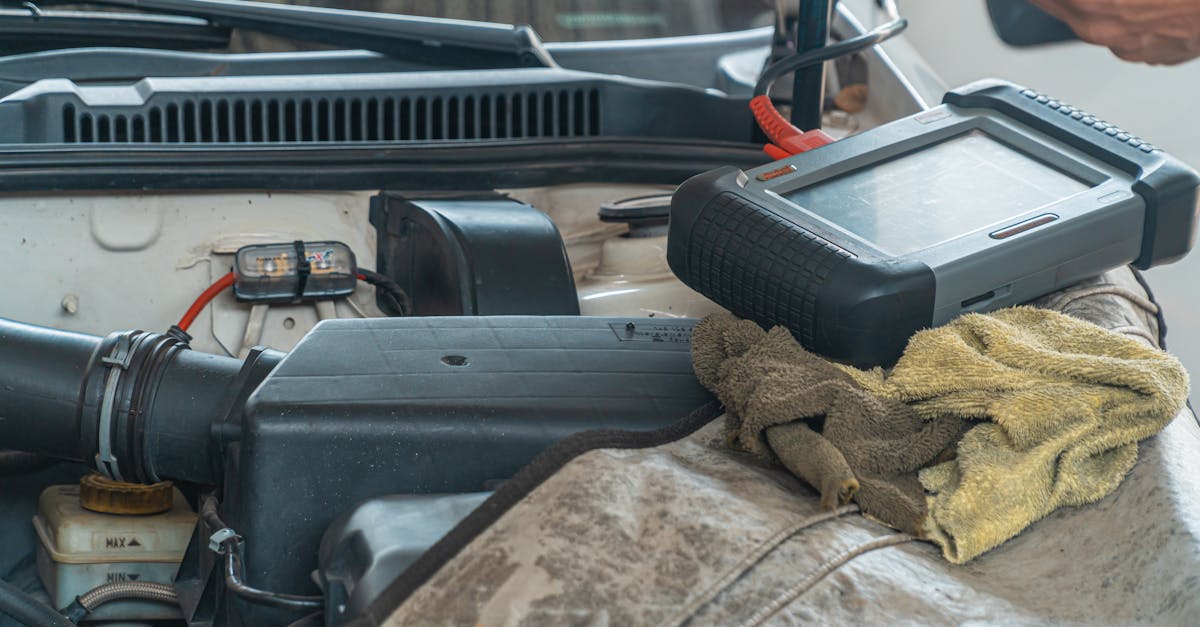
Performing a Visual and Physical Inspection
Begin with a thorough check of all cables and connectors associated with the engine management system. Faulty wiring or damaged insulation can break signal pathways, triggering erratic engine behavior.
Make sure to cleanse any dirty or corroded terminals, as poor contact can hinder data transmission. Inspect sensor mounts to rule out mechanical issues affecting signal accuracy.
This foundational step often uncovers easily fixable problems that restore reliable ECU communication and smooth engine operation.
Utilizing Diagnostic Tools for Error Code Analysis
Modern scan tools can access the ECU’s memory to reveal error codes indicative of communication issues. These codes often point to particular sensors like the crankshaft position sensor or camshaft sensor, which are critical for timing.
Interpreting these codes correctly is vital; some errors may suggest a weak connection rather than sensor failure. Therefore, a thorough diagnostic routine follows up on initial code retrieval before part replacement.
Additionally, monitoring live data via scan tools gives technicians insight into real-time voltage and data signal patterns.
Common Causes of ECU Communication Failures and How to Fix Them
Several frequent culprits disrupt the steady data flow between the ECU and engine components. Recognizing these patterns helps technicians apply targeted repairs swiftly.
Worn or frayed wiring is a usual suspect. Vibrations and heat within the engine bay cause gradual degeneration of cables, creating intermittent shorts or open circuits that confuse the ECU.
Another issue is sensor malfunctions due to contamination or internal electrical failure. Whether it’s a faulty oxygen sensor or a damaged MAP sensor, any inconsistency in sensor signals affects engine timing and causes misfires.
Wiring and Connector Problems
Engine vibrations and external exposure often wear down electrical wiring, leading to intermittent communication dropouts. Corroded or loose connectors contribute to poor signal transfer.
Replacing damaged cables and securing connectors restores reliable communication, preventing further misfires. It’s essential to use quality replacement parts and insulate connections properly.
Routine maintenance checks can catch these issues before they develop into more serious faults.
Sensor Faults and Electronic Glitches
Malfunctioning sensors send faulty readings, producing confusion within the ECU’s control logic. Sometimes, simply cleaning a sensor or reconnecting it properly can solve the problem.
In other situations, sensor replacement or ECU software updating might be necessary when hardware or firmware anomalies arise. Keeping vehicle software updated ensures compatibility and reduces these errors.
Modern auto repair shops use specialized software to reprogram or recalibrate ECUs, enhancing overall engine reliability.
Summary of Diagnostic Techniques and Repair Options
Diagnosing ECU communication errors accurately is a blend of old-school inspection and modern technology. Mechanics combine physical assessments with electronic scanning to pinpoint issues causing intermittent misfires.
Timely identification of wiring faults, sensor failures, or software glitches ultimately leads to effective repairs and prevents costly engine damage or performance loss.
Regular maintenance and professional diagnostics protect the vehicle’s electronic heart, ensuring a smooth and responsive driving experience.
| Diagnostic Step | Common Causes Identified | Typical Repair Actions |
|---|---|---|
| Visual Inspection | Damaged wiring, corroded connectors | Repair or replace cables, clean terminals |
| Error Code Reading | Sensor errors, communication faults | Interpret codes, plan targeted repair |
| Live Data Monitoring | Intermittent signal fluctuations | Check voltage, retest sensors |
| ECU Software Update | Firmware bugs causing communication glitches | Reflash or update ECU software |
| Sensor Testing | Malfunctioning oxygen, crankshaft sensors | Clean, recalibrate, or replace sensors |
In summary, understanding and diagnosing ECU communication errors are essential steps in addressing intermittent engine misfires. A combination of visual inspections, electronic diagnostics, and appropriate repairs restores engine reliability and performance.
If you’re experiencing engine hesitation or misfires, don’t let the issue linger—reach out to a professional auto repair specialist skilled in ECU diagnostics. Prompt service ensures your vehicle runs smoothly and safely, protecting your investment.