
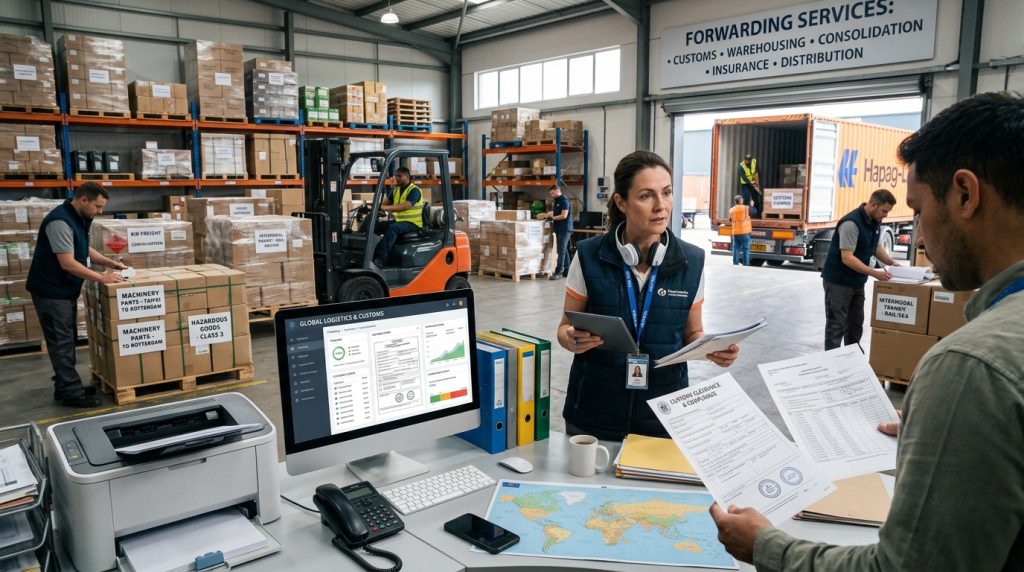
In the intricate world of global logistics, understanding what freight forwarders manage beyond the basics is essential. These logistics experts serve as vital intermediaries, ensuring that goods move smoothly across borders, but their roles extend far beyond just booking transportation. As businesses increasingly engage in international trade, recognizing the comprehensive services freight forwarders provide becomes imperative for optimizing supply chains.
Understanding the Comprehensive Roles of Freight Forwarders
Freight forwarders orchestrate the complex process of international shipping, offering a wide range of services that go far beyond mere transportation. Their involvement starts from the initial stages of shipping, encompassing careful planning and coordination to ensure seamless logistics management. Given the labyrinth of regulations, customs, and potential logistics pitfalls in international trade, utilizing a freight forwarder can significantly alleviate the burden on businesses.
Managing Documentation and Compliance
One of the primary responsibilities of freight forwarders is handling the intricate documentation required for international shipments. This includes preparing essential documents such as:
- Bill of Lading: A receipt for the cargo that serves as a contract between the shipper and the carrier.
- Commercial Invoice: A document detailing the goods being shipped, including their value and nature.
- Certificate of Origin: A declaration that the goods originate from a specific country, often requisite for customs clearance.
This breadth of documentation ensures compliance with local laws and regulations, a complex process that varies significantly from one jurisdiction to another. By meticulously managing these documents, freight forwarders help businesses avoid costly delays and penalties that could arise from incorrect or incomplete paperwork.
Customs Clearance and Coordination
Customs clearance is a significant hurdle in international shipping, often requiring expert knowledge of local laws and regulations. Freight forwarders play a pivotal role here by liaising with customs brokers to facilitate the process. Their responsibilities include:
- Import Declarations: Submitting the necessary paperwork to customs authorities, detailing duties and taxes that must be paid.
- Tariff Classification: Ensuring that goods are classified correctly for tariff purposes to avoid overpayment of duties.
- Inspection and Release Procedures: Coordinating with agencies to ensure timely inspections and the release of cargo.
Utilizing an experienced freight forwarder can help businesses navigate this complex system effectively, thus avoiding delays and ensuring compliance with local regulations.
Exploring Value-Added Services Beyond Transport
In addition to overseeing documentation and customs clearance, freight forwarders offer a plethora of value-added services that greatly enhance the shipping experience. These services can simplify logistics, improve efficiency, and ultimately save businesses both time and money.
Insurance and Risk Management
Freight forwarders often provide comprehensive insurance options to safeguard shipments against potential losses. This risk management is crucial in mitigating the financial impact of unforeseen events, such as damage or theft during transit. Key elements of insurance provided by forwarders include:
- Cargo Insurance: Protects against loss or damage to goods during shipping.
- Liability Coverage: Covers potential claims that could arise during the shipping process.
- Specialized Insurance: Protects unique or valuable items that may require specific policies.
This insurance protection not only gives businesses peace of mind but also strengthens their overall supply chain resilience.
Warehousing and Distribution Services
Freight forwarders often provide warehousing solutions, enabling businesses to store goods temporarily before final delivery. This storage flexibility is particularly advantageous for businesses facing fluctuating demand or those entering new markets. Services related to warehousing can include:
- Inventory Management: Monitoring stock levels to ensure timely replenishment.
- Consolidation Services: Combining multiple smaller shipments into one larger one, reducing overall freight costs.
- Last Mile Delivery: Coordinating the final step of the shipping journey from the warehouse to the customer’s doorstep.
By incorporating warehousing options, freight forwarders enhance logistical efficiency, allowing businesses to react quickly to market demands.
The role of freight forwarders encompasses much more than simply arranging for the transportation of goods; they provide an essential suite of services that is critical to modern logistics. By managing documentation, offering valuable insurance, providing warehousing services, and leveraging technology, they enable businesses to navigate the complexities of international shipping effectively. Understanding these extensive capabilities can empower companies to make informed decisions, ultimately maximizing the efficiency of their supply chains.
Contact ALPI to help you.