
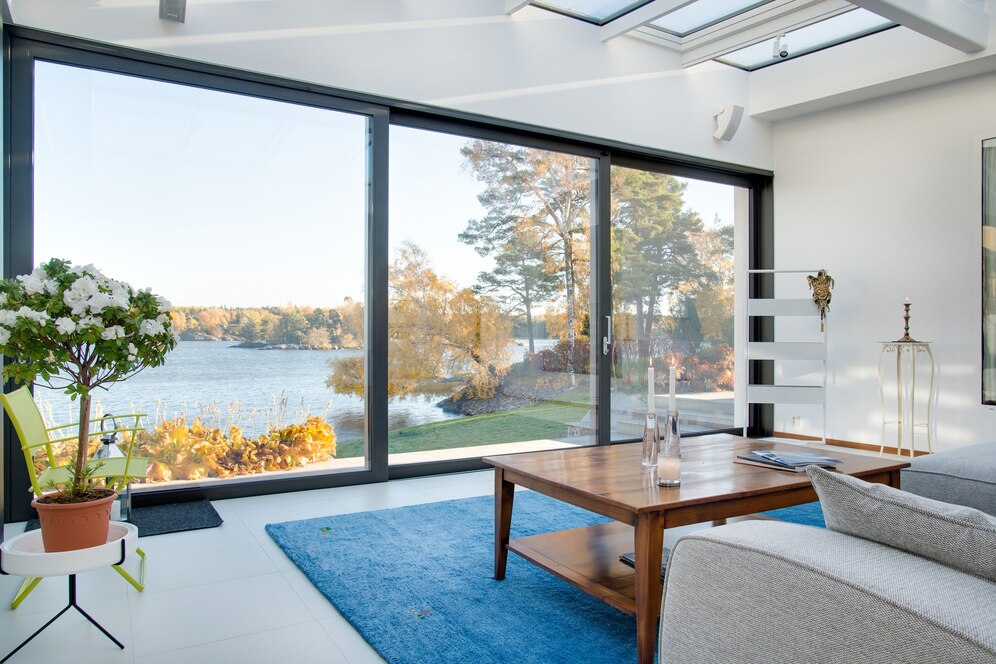
In recent years, homeowners have become increasingly aware of the importance of energy efficiency and style when it comes to home renovations. As one of the largest openings in a home, patio doors not only serve a functional purpose but also contribute significantly to a home’s overall aesthetic and energy performance. With a wide array of options available in 2025, selecting the right patio door can elevate both the beauty of your living space and the efficiency of its energy consumption.
Understanding the Basics of Energy Efficiency in Patio Doors
Energy efficiency in patio doors is primarily determined by their design, materials, and technology. Homeowners must familiarize themselves with key concepts that affect energy performance. Below are several crucial factors:
- Insulation: The insulation level of a patio door is indicated by its U-factor, which measures heat transfer. A lower U-factor is preferable as it indicates better insulation properties.
- Frame Material: Different materials used in the frame can affect efficiency. For instance, vinyl and fiberglass frame materials tend to offer superior insulation compared to aluminum.
- Glass Type: The glass in patio doors can vary significantly. Options such as double-glazed, triple-glazed, or low-emissivity (Low-E) glass can enhance energy efficiency.
- Seals and Weatherstripping: Adequate sealing is essential to avoid drafts and heat loss, making the quality of seals a vital aspect of energy-efficient doors.
Understanding these elements helps in making informed decisions regarding the investment into new patio doors. By choosing doors with effective insulation, homeowners may experience reduced energy bills and improved comfort throughout their living spaces.
The Impact of Frame Materials on Patio Door Efficiency
The material selection for patio door frames is crucial for enhancing energy efficiency. Common materials include:
- Vinyl: This material is known for its excellent insulation properties and low maintenance needs, making it a popular choice among homeowners.
- Fiberglass: Highly durable and energy-efficient, fiberglass frames provide superior insulation and can also be designed to mimic the look of wood.
- Wood: While aesthetically pleasing, wood requires more maintenance. However, when properly sealed, it can offer good insulation.
- Aluminum: Although durable, aluminum lacks insulation properties unless thermal breaks are included. Creative design can counterbalance this drawback.
Choosing the right frame material can significantly improve the thermal performance of patio doors, helping to maintain stable indoor temperatures while keeping energy costs under control.
Evaluating Different Styles of Patio Doors
When it comes to patio door styles, there’s a rich variety available to meet both aesthetic preferences and functional needs. Here’s a closer look at some popular options:
1. Sliding Patio Doors
Sliding patio doors are a commonplace choice due to their space-saving design. They operate smoothly on tracks but can be less energy-efficient because of the potential for air leakage between panels. Here’s a summary:
| Feature | Evaluation |
|---|---|
| Energy Efficiency Rating | 2-3 out of 5 |
| U-factor | 0.30-0.40 |
2. French Patio Doors
These elegant doors swing open and can enhance the look of traditional homes. They typically offer better insulation than sliding doors:
| Feature | Evaluation |
|---|---|
| Energy Efficiency Rating | 4-5 out of 5 |
| U-factor | 0.20-0.30 |
3. Bifold Patio Doors
Bifold doors offer a modern solution, allowing homeowners to enjoy a completely open space when fully folded. They provide excellent energy efficiency when constructed with proper materials.
- Energy Efficiency Rating: 4-5 out of 5
- U-factor: 0.20-0.30
Choosing the Style that Suits Your Home
The style of patio doors you choose should reflect the overall design of your home. Consider factors such as:
- The architectural style of your home—modern or traditional?
- The amount of available space for door operation.
- Your preferences for natural light and accessibility.
Ultimately, selecting the appropriate style can enhance not only your home’s appearance but also its functionality and energy efficiency.

Additional Features to Enhance Energy Efficiency
Beyond the basics of door style and frame materials, several additional features can greatly enhance the energy efficiency of patio doors. Investing in these options typically results in improved performance.
1. Low-E Glass
Low-E glass is treated with a special coating that reflects heat while allowing visible light to pass through. This can significantly reduce energy consumption:
- Energy Efficiency Rating: 4-5 out of 5
- U-factor: 0.20-0.30
2. Gas-Filled Insulation
Many modern patio doors feature gas-filled double or triple panes for superior insulation. Common gases used include argon and krypton:
- Energy Efficiency Rating: 4-5 out of 5
- U-factor: 0.20-0.30
As you consider a patio door upgrade for your home, it’s imperative to balance aesthetics with efficiency. The right choice can enhance your living spaces, reduce energy costs, and contribute positively to the environment.