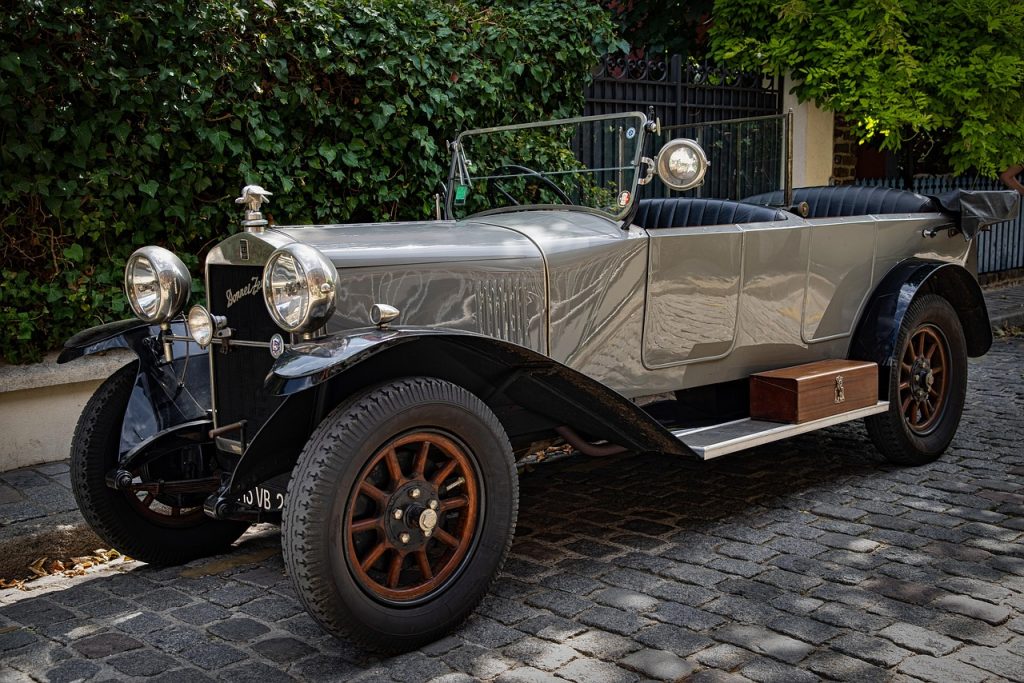
For convertible car enthusiasts, maintaining the integrity of the vehicle’s top is crucial not just for aesthetics but also for functionality. As the years pass, convertible tops can succumb to wear and tear, leading to various issues that can compromise the driving experience. In the context of 2025, understanding these signs can save both time and money, ensuring a safer and more enjoyable ride. From obvious visible damage to subtle indications of aging, it’s essential to recognize when it’s time for a replacement. Consider this your ultimate guide to spotting the telltale signs that your convertible top is in dire need of replacement—before it becomes a more significant headache and expense.
Recognizing Visible Damage Indicating Convertible Top Replacement
The most apparent signs of a failing convertible top often manifest as visible damage. While we commonly associate holes or rips with the need for replacement, there are other factors to consider as well. Whether you drive a vintage model or a contemporary convertible, paying attention to the following indicators can prevent unnecessary costs down the line.
1. Obvious Holes and Tears
Holes in a convertible top are a clear red flag, indicating that a replacement is overdue. Not only do holes allow for water leakage, but they can also result in severe interior damage and mold growth if left unchecked. This issue is especially pressing with fabric tops, which can absorb moisture. Once a hole appears, duct tape temporarily may help, but it’s definitely not a long-term solution.
- Inspect the top regularly for any emerging holes or tears.
- Prioritize repairs or replacement to maintain resale value.
2. Worn Edges and Frayed Material
The edges of the convertible top are prone to fraying, which often signifies aging material or poor installation. Check particularly around the seams, as these are common stress points where wear can accumulate.
| Sign | Action |
|---|---|
| Fraying Edges | Evaluate for replacement or repair. |
| Visible Tears | Immediate replacement is advisable. |
Understanding Structural Issues with Your Convertible Top
Sometimes, the damage to a convertible top goes beyond the visible surface aesthetic. Structural integrity is paramount as it impacts both the vehicle’s functionality and the owner’s safety. Here’s what to watch for to mitigate problems stemming from faulty frames or weather seals.
3. Pulling at the Seams
Seams on a convertible top should remain tight and secure. If seams begin to pull and show stress, it may indicate that the top is nearing the end of its usable life. Significant pulling often occurs when the top is up, down, or during the transition process from one position to another. It’s essential to monitor the seams closely during these moments.
4. Signs of Dimensional Changes
Over time, exposure to elements such as UV rays can cause the fabric to shrink or sag. A sagging convertible top could mean that either the frame has been bent or the fabric has lost its elasticity. The best course of action here is to consult with automotive upholstery specialists to determine whether a replacement top is necessary.
By addressing these structural issues promptly, you can prevent costly repairs in the long run.
Spotting Discoloration and UV Damage
Discoloration serves as a visual indicator of damage that may not necessarily show physical wear. Evaluating the color and texture of your convertible top can reveal how well it has stood up against UV exposure. Beyond being simply an aesthetic concern, its implications extend to functionality and durability.

5. Faded Colors and Fabric Degradation
If you start to see fading, especially in non-protected areas of the convertible top, this is often a sign of UV damage. Convertibles generally have a lifespan of about three to six years per manufacturer’s warranty. Beyond that point, you may notice that colors and textures are starting to degrade, potentially compromising the material’s structural integrity.
- After five years, regularly inspect for signs of fading.
- Consider using UV protectant products to prolong life.
| Sign of Damage | Potential Solution |
|---|---|
| Color Discoloration | Evaluate for UV protectants or replacement. |
| Texture Weakness | Consider immediate replacement. |
Impact of Water and Mildew on Convertible Tops
Water is the enemy of any convertible top, particularly fabric tops. Mold and mildew thrive in damp environments and can often go unnoticed until severe damage has occurred. Keeping an eye on moisture accumulation can save your vehicle from long-term damage.
By actively monitoring the condition of your convertible’s top with these guidelines, you can ensure that your vehicle remains in optimal condition. Keeping track of these signs will allow you to enjoy the benefits of convertible driving without the accompanying stress of potentially escalating repairs. For specialist advice on your specific needs, don’t hesitate to reach out to experts in convertible servicing. To explore options for replacing your convertible top, consider visiting Rivero Auto Interior
for a variety of high-quality products tailored to your vehicle’s unique requirements.