
Classic car restoration is not merely a hobby; it’s an art form that draws passionate enthusiasts from all corners of the globe. As we dive into 2026, the revival of vintage vehicles is at an all-time high, with collectors and car lovers eager to bring their beloved cars back to their former glory. Gone are the days of merely storing an antique; today’s car aficionados take pride in meticulously restoring classic vehicles, ensuring that every detail reflects its original splendor. This article explores pivotal aspects of classic car restoration, focusing on essential body services and techniques that transform rusty relics into stunning masterpieces.
The Importance of Quality Body Services in Classic Car Restoration
Quality body services are foundational to any successful classic car restoration endeavor. If the restoration is likened to a symphony, then the bodywork serves as the orchestra’s harmonious melodies. Without precise craftsmanship in auto body repair, even the most powerful engine would struggle to justify the vehicle’s vintage appeal. Body services encompass various techniques, including paint restoration, rust removal, and panel beating. Each step requires meticulous care and specific expertise, contributing to the vehicle’s aesthetic and structural integrity.
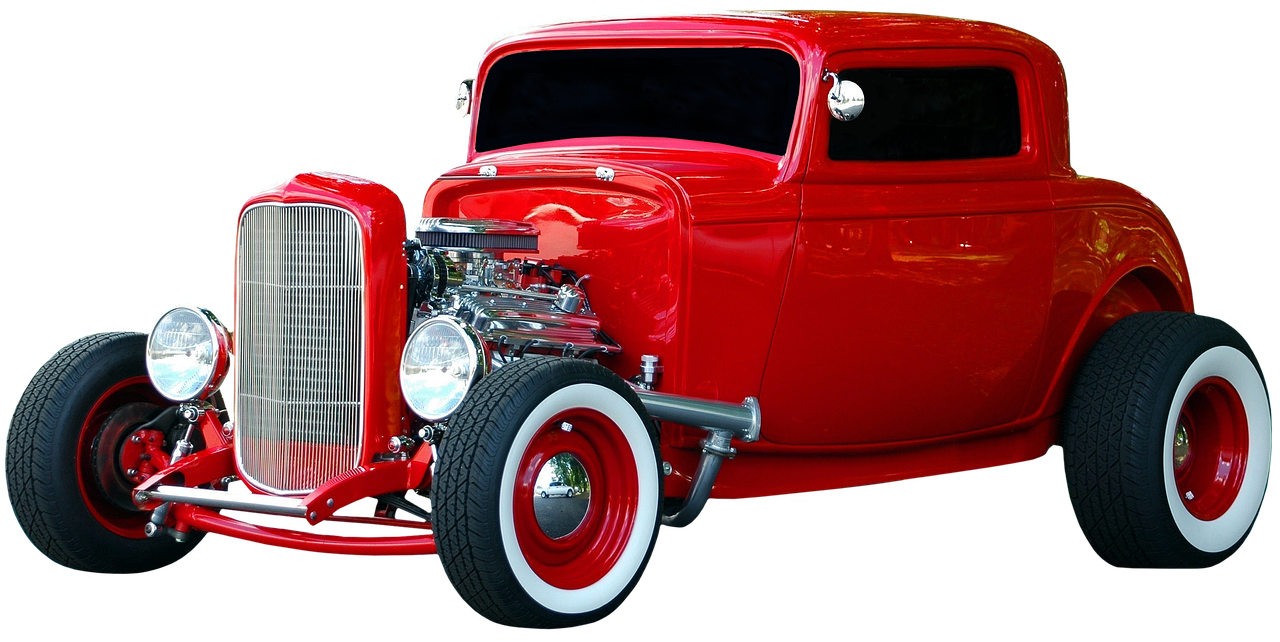
A chief concern in classic car restoration is the inevitable issue of rust. Many vintage vehicles have spent decades exposed to the elements, resulting in rust forming on body panels and vital components. Proper rust removal is crucial; it’s not enough just to sand down the rusted areas. Comprehensive rust treatment requires specialized tools and techniques to prevent future corrosion. Utilizing modern methods paired with traditional craftsmanship can extend the life of a vintage car significantly.
Paint restoration is the final brushstroke on the masterpiece. A poor paint job can detract from an otherwise perfectly restored vehicle. Techniques such as color matching, layering, and polishing help replicate the vehicle’s original sheen. Using high-quality automotive refinish products guarantees not only a visually appealing result but also lasting protection against the ravages of time.
In essence, these body services create the canvas upon which all other restoration elements shine. Whether you’re dealing with a classic model from the roaring twenties or a slick sports car from the eighties, every detail matters. To see a complete breakdown of essential tips for classic car restoration, visit this resource.
Common Bodywork Techniques for Vintage Vehicle Care
When embarking on a classic car restoration project, knowledge of common bodywork techniques is essential. Understanding which methods are best suited for your specific make and model can make a significant difference in the efficiency and outcome of the restoration. Notably, panel beating is a skill that has endured through the ages. This method involves reshaping metal panels to their original form and can rectify even the most severe dents.
Another technique common in vehicle restoration is automotive refinishing. This process involves refurbishing not only the exterior but also the undercarriage and compartments. Doing so ensures that the vehicle not only looks good but operates smoothly and stays protected from future issues.
Moreover, the nuances of car detailing can breathe new life into the interior of classic cars. From upholstery repair to cleaning delicate materials, expert detailing can transform the driving experience, offering a sense of nostalgia while ensuring modern comfort.
Understanding these techniques will prepare any enthusiast for the various challenges that classic car restoration entails. With the right skills and knowledge, restoring a vintage vehicle can evolve from a daunting task into an exhilarating journey. To explore more on how to enhance these bodywork, check out Harbor Auto Restoration‘s website.