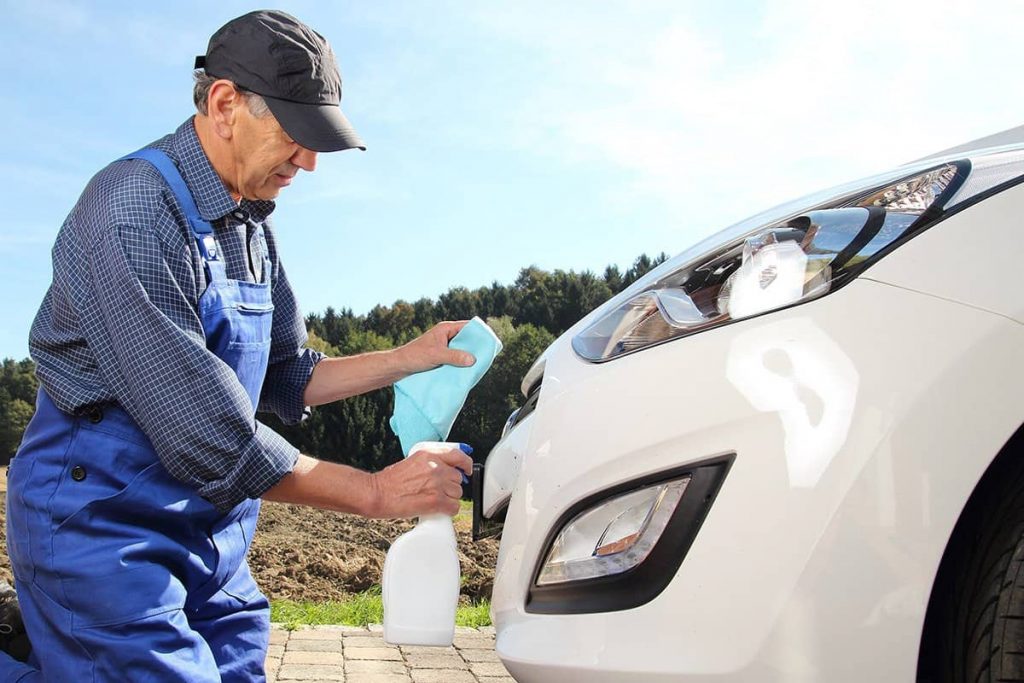
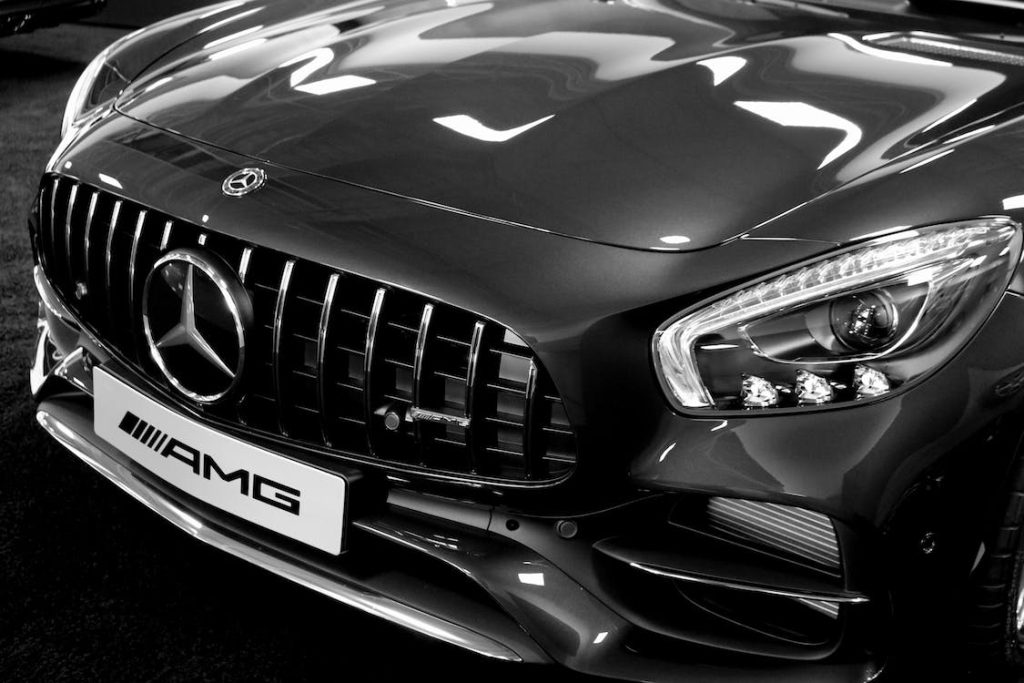
When it comes to protecting your vehicle’s finish, not all coatings are created equal. Achieving a 9H hardness rating is crucial for maximizing durability and defense against environmental damage. This level of hardness symbolizes the coat’s resistance to scratches, abrasions, and chemical attacks that can etch and degrade the clear coat. Understanding this science helps vehicle owners appreciate why professional ceramic coating application significantly outperforms traditional wax or sealants.
The Benefits of Professional Ceramic Coating Services
Opting for expert ceramic coating services guarantees superior results compared to many DIY products. A professional application ensures proper surface preparation, uniform layering, and optimal curing conditions—all essential for long-lasting protection.
Ceramic coatings create a hydrophobic surface, meaning water, dirt, and grime effortlessly slide off. This not only makes maintenance easier but also preserves the vehicle’s glazed shine for extended periods. Additionally, a quality ceramic finish enables chemical resistance, protecting the paintwork from etching caused by harsh substances.
It’s important to note that although ceramic coatings improve scratch resistance, they don’t make your vehicle completely scratch-proof. For this reason, some owners combine ceramic coatings with Paint Protection Film (PPF) on high-impact areas like the hood, bumpers, and side mirrors for enhanced defense against rock chips and debris.
Overall, professional services reduce the risk of application errors. Misapplication can lead to uneven coatings, reduced hardness, or premature wear, undermining the protective benefits—this is why certified technicians work in controlled environments to ensure every panel is perfectly coated.
How Ceramic Coatings Prevent Clear Coat Chemical Etching
Chemical etching gradually erodes the clear coat layer through contact with aggressive environmental substances. These corrosive chemicals break down the paint’s protective film, leading to dullness, stains, and permanent damage if left untreated.
High-hardness ceramic coatings act as a shield by forming a tightly bonded, chemically inert layer that neutralizes and repels acidic molecules. This shielding effect significantly reduces the risk of etching caused by acid rain, bird droppings, insect remains, or road salts.
Impressively, the 9H surface hardness ensures the protective layer itself remains intact against daily wear and minor abrasions, preserving the clear coat beneath. Additionally, the hydrophobicity prevents water spots by causing moisture to bead off swiftly before it can leave mineral deposits.
This combination of chemical resistance and surface hardness maintains the vehicle’s vibrant appearance and extends the lifespan of the original paintwork with minimal upkeep.
The Role of Hardness Ratings in Choosing the Right Protection
When selecting protective coatings, understanding hardness ratings can guide purchasing decisions and set realistic expectations. The “9H” rating is currently the highest pencil hardness standard for automotive ceramic coatings, indicating exceptional scratch resistance.
However, it’s crucial to combine this quality with other protective features like UV resistance, hydrophobic properties, and chemical inertness for comprehensive defense. Coatings lacking in any of these aspects may fall short despite a high hardness rating.
Many vehicle owners benefit from combining ceramic coatings with PPF on vulnerable areas, offering both mechanical impact protection and chemical resistance. This hybrid approach is ideal for frequent drivers or those exposed to harsh environments.
To visualize comparative protection layers, the table below provides an overview of common automotive coating options:
Protection Type
Hardness Rating
Primary Benefits
Wax
Low
Gloss enhancement, water repellency, short-term protection
Sealants
Moderate
Longer-lasting shine, some chemical resistance
Ceramic Coating (9H)
9H
Scratch resistance, hydrophobic, chemical etching protection
Achieving a 9H hardness rating with a high-quality ceramic coating offers the ultimate shield against scratches and chemical etching that can compromise a vehicle’s clear coat. Professional application is essential to harness the full protective power, providing a flawless finish, extreme durability, and hydrophobic properties that simplify maintenance.
Combining ceramic coatings with Paint Protection Film on critical panels further amplifies protection against road debris and impact damage. By investing in these advanced defenses, vehicle owners ensure long-lasting brilliance and structural integrity for their paintwork.
If you’re ready to enhance your car’s protection and preserve its showroom shine, connect with a trusted ceramic coating specialist today. Their expertise guarantees perfect application and tailored solutions to meet your driving environment and lifestyle needs.

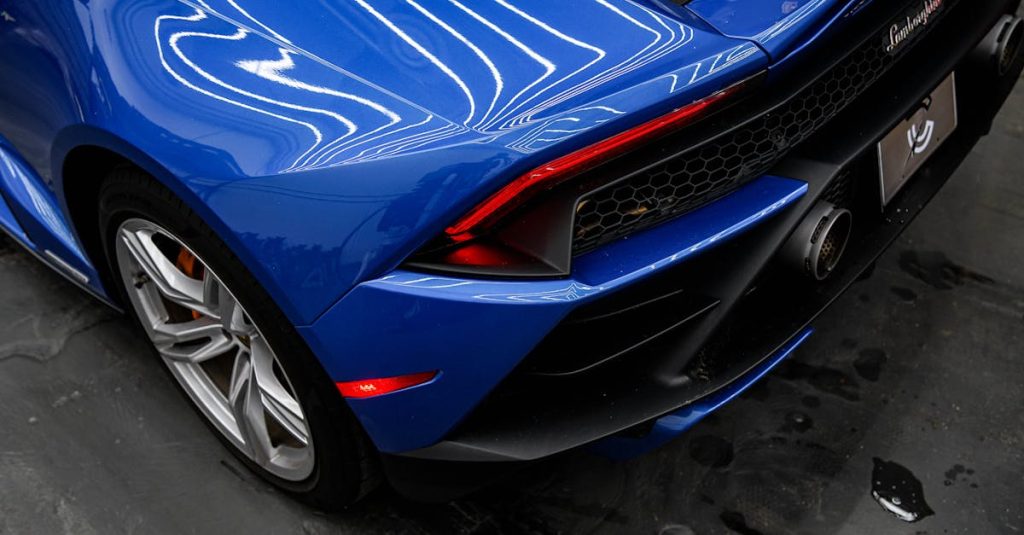
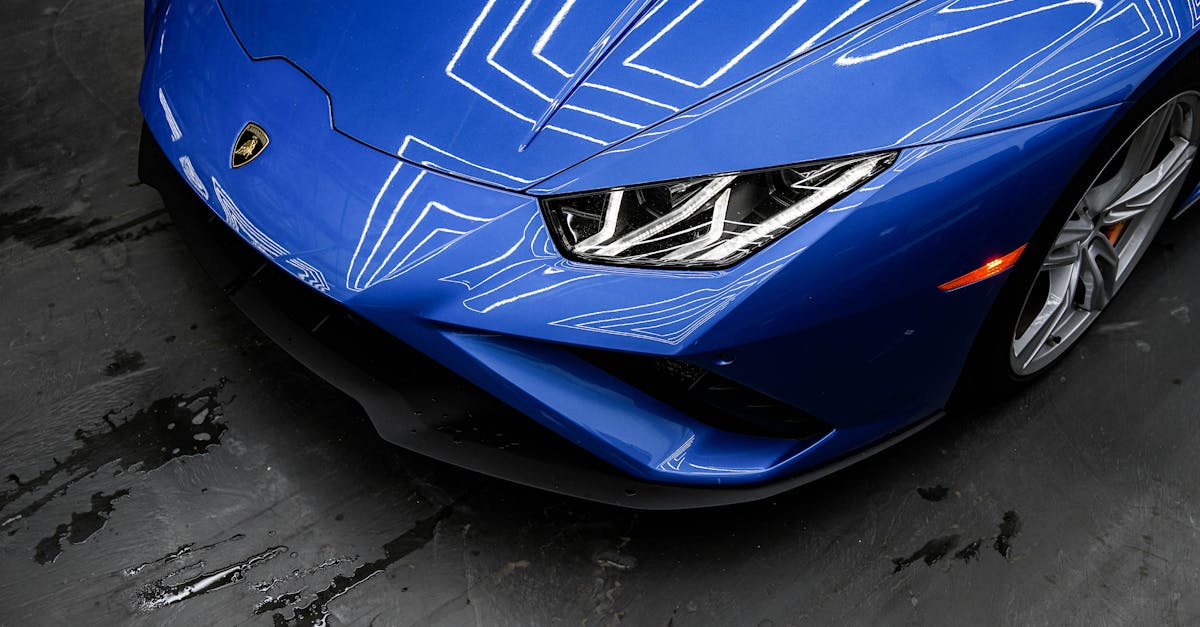 Overall, professional services reduce the risk of application errors. Misapplication can lead to uneven coatings, reduced hardness, or premature wear, undermining the protective benefits—this is why certified technicians work in controlled environments to ensure every panel is perfectly coated.