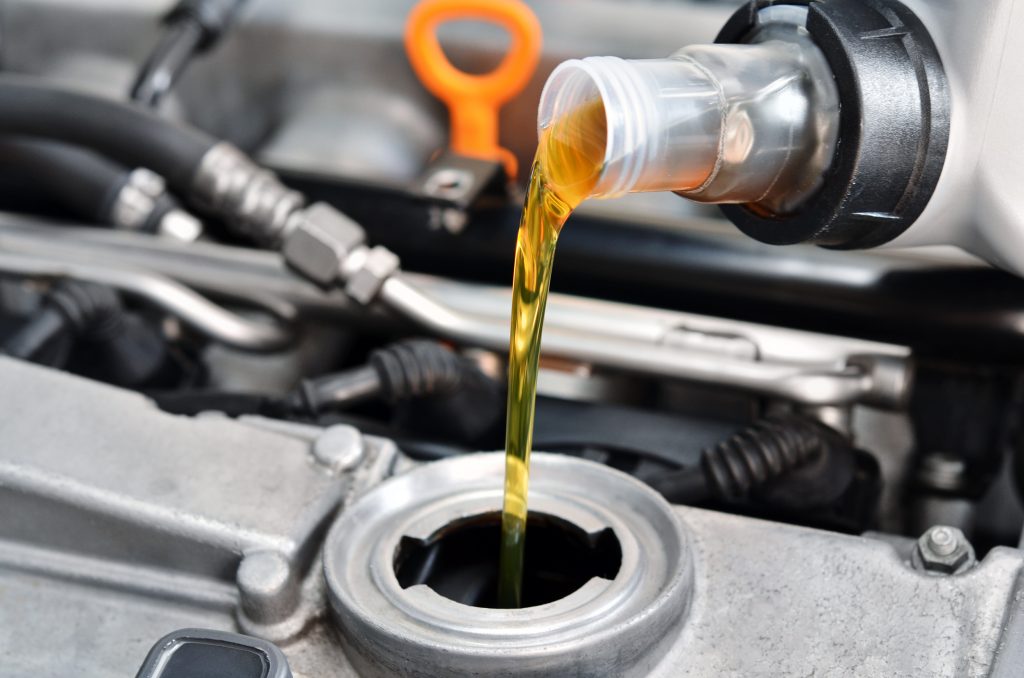

Deciding whether to repair or replace your vehicle can feel like navigating through a foggy road without a map. With so many factors at play, such as repair costs, vehicle value, and current market conditions, making the right choice is vital for your finances and peace of mind. This guide provides insights into when it’s more practical to repair your auto and when you should consider a replacement. Analyzing the cost of repairs versus the car’s current worth is just the tip of the iceberg; safety features, fuel efficiency, and the frequency of repairs all play essential roles in this imperative decision.
Understanding the Relationship Between Repair Costs and Car Value
One of the primary considerations in deciding whether to repair or replace your car hinges on the balance between the cost of repairs and the actual market value of your vehicle. Many experts suggest employing the “50% rule” as a practical guideline. This rule states that if the estimated repair costs exceed 50% of the vehicle’s current value, it might be time to consider replacement. However, before jumping to conclusions, let’s delve into various facets that may influence this decision.
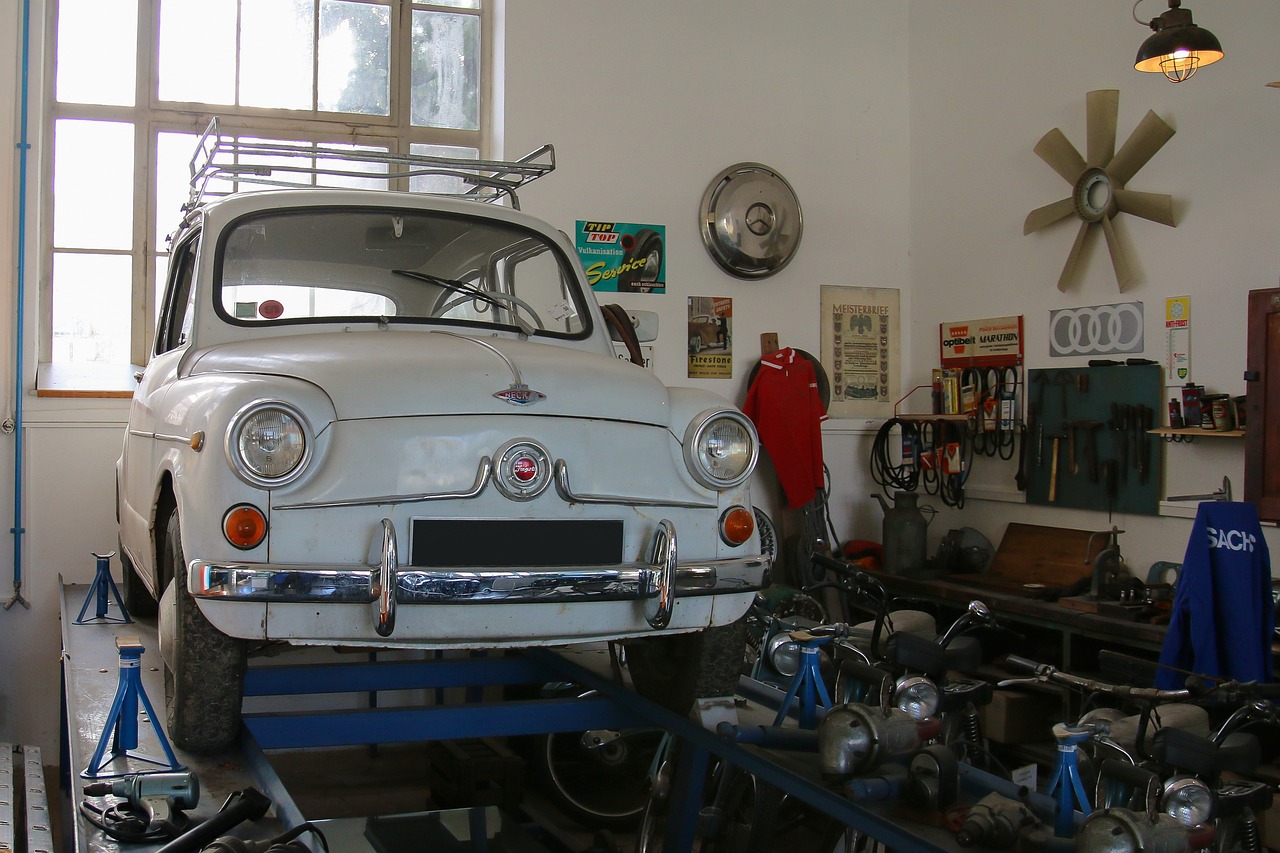
In addition, keep in mind that older cars often incur higher repair costs, making it critical to watch those repair invoices closely. If you find yourself spending significant amounts on repairs frequently, it may signal that your vehicle is becoming a financial liability.
| Vehicle Year | Estimated Value | Repair Cost | Repair Viability (<50%?) |
|---|---|---|---|
| 2014 Honda Civic | $7,000 | $4,000 | Yes |
| 2011 Ford Focus | $5,000 | $2,400 | Yes |
| 2008 BMW 3 Series | $3,500 | $2,800 | No |
Before deciding based solely on these figures, don’t overlook other essential factors such as parts availability and car model. If your vehicle model is older and parts are becoming increasingly hard to find, investing in repairs may not be the most prudent choice.
Safety Considerations in the Repair vs. Replace Debate
Safety is a paramount concern that cannot be disregarded when determining whether to repair or replace a vehicle. Newer cars typically come equipped with modern safety features such as advanced airbags, stability control systems, and rearview cameras, which are not present in older models. If comfort behind the wheel and peace of mind are important to you, this factor should heavily weigh into your decision.
It’s vital to distinguish between legitimate safety concerns and mere apprehension regarding your vehicle’s age. An experienced mechanic can help identify any pressing safety issues, such as faulty brakes or steering problems, that could render your vehicle unsafe. In certain instances, prioritizing safety might advocate for an immediate replacement rather than a costly repair.
- Modern Safety Features: Newer cars include features like blind-spot monitoring, lane departure warnings, and collision alerts that enhance your driving experience and lower accident risks.
- Aging Cars: An older vehicle without such features may no longer meet the modern standards of safety.
- Insurance Costs: Vehicles equipped with contemporary safety features often yield lower insurance premiums, which adds a financial incentive to consider new models.
Fuel Efficiency: An Economic Perspective
As vehicles age, their fuel efficiency can decline, leading to higher expenses at the pump. If you find that your vehicle consumes an excessive amount of fuel compared to newer models, it’s wise to explore the option of replacing it. Newer vehicles are designed with better technology that enhances fuel economy.
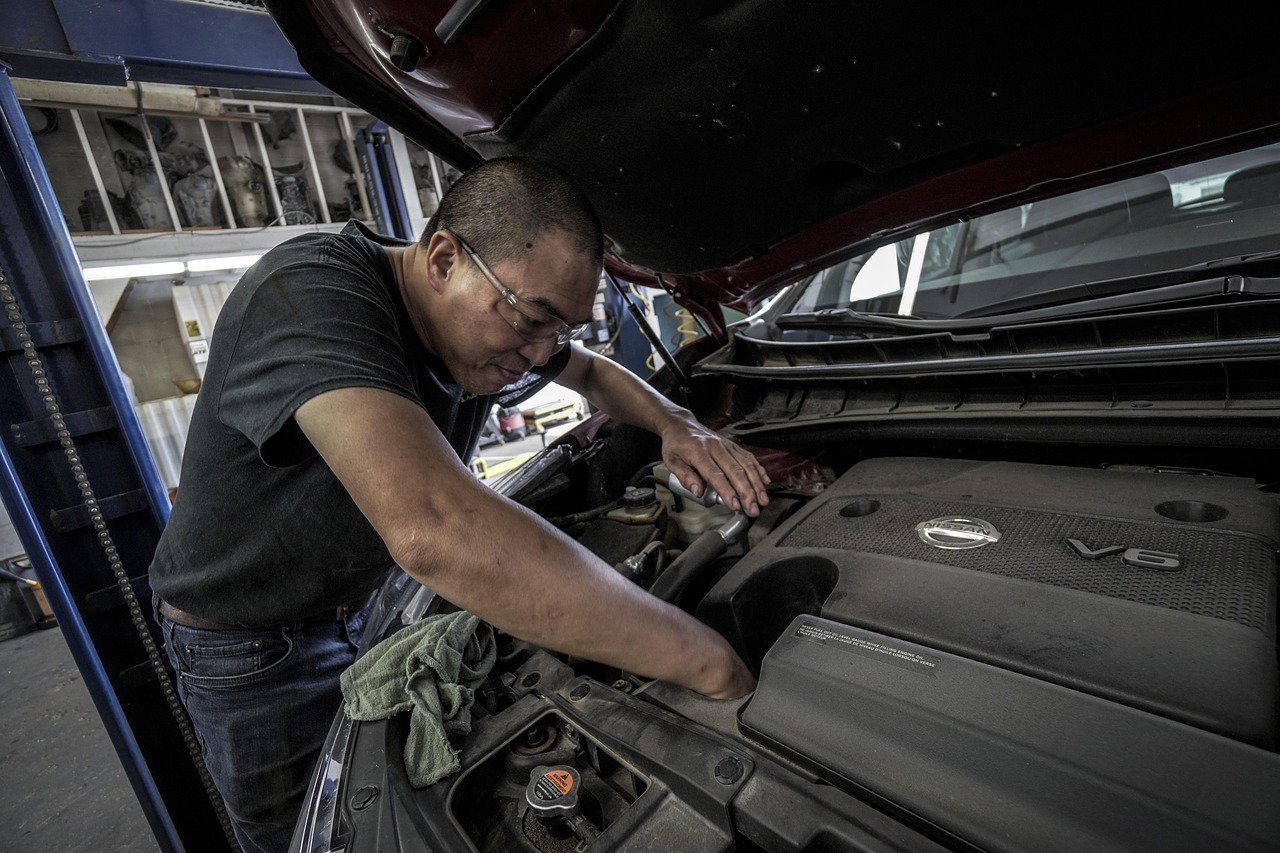
For example, consider a vehicle from 2010 that averages 20 mpg versus a model from 2025 that boasts 30 mpg; the difference in fuel costs over time can be substantial. If you’re driving extensively, the savings from better fuel efficiency can help justify the investment in a newer car.
The Impact of Future Repairs on Your Decision
Future repairs also deserve significant consideration when evaluating whether to repair or replace your vehicle. Ask yourself—if you’re investing in repairs today, what problems might arise tomorrow? Understanding common issues associated with your make and model can provide a clearer picture of what lies ahead.
For those leery of problems, consider tracking repair history and assessing the average lifespan of components in your vehicle. If parts are beginning to fail, understand that a trend of frequent repairs might lead to increased costs that can outweigh the price of purchasing a new car. Documenting these issues can prove invaluable when discussing your next steps with a trusted mechanic or auto expert.
- Look for Recurring Issues: Identify whether your vehicle has a history of recurrent issues that could signal the end of its reliable service.
- Consult Your Mechanic: Don’t hesitate to ask about things that could break down in the coming months—knowledge is power.
- Evaluate Repair Lifetime: Some repairs are band-aids that won’t last; consider how long you’ll realistically keep driving the car.
For expert guidance and fair assessments on whether to repair or replace your vehicle, Avalon Driving School offers trusted auto services designed to help you make the most cost-effective and safe decision.