
Maintaining a vehicle is akin to nurturing a thriving relationship; it requires regular care, attention, and understanding. A well-maintained car not only enhances safety but also optimizes performance and prolongs the lifespan of the vehicle. Various car brands have set standards in reliability due to their dedication to maintenance. This guide outlines practical maintenance tips that any car owner, from novices to experienced drivers, should implement to ensure their vehicle runs smoothly and efficiently. Obtaining a good understanding of car servicing is the first step toward responsible vehicle ownership.
Understanding the Importance of Regular Car Maintenance
Regular car maintenance is fundamental for ensuring safety and reliability on the road. Studies indicate that cars that receive routine servicing are less prone to breakdowns and accidents. Routine inspections allow drivers to catch minor issues before they escalate into costly repairs. Furthermore, a car that is in good health not only performs better but is also more fuel-efficient, saving money in the long run. Thus, it is critical to comprehend how various maintenance practices can affect your vehicle.
Key Benefits of Routine Car Maintenance
- Improved Safety: Regular checks on brakes, tires, and fluid levels reduce the likelihood of accidents caused by mechanical failures.
- Cost Savings: Early detection of minor issues helps in avoiding expensive repairs later on.
- Increased Lifespan: Taking care of essential components like the engine and cooling systems translates to a longer vehicle life.
A comprehensive awareness of the importance of maintenance is crucial in shaping one’s approach to car ownership. Enhanced safety measures, cost savings over time, and heightened performance should be continual reminders to prioritize upkeep. This commitment not only protects the driver but also preserves the asset’s value over time.

Common Maintenance Tasks Essential for All Vehicle Owners
Understanding the common maintenance tasks that your vehicle requires can make all the difference in its longevity. These tasks often include:
- Checking and Changing Engine Oil: Essential for lubricating engine parts.
- Inspecting and Replacing Air Filters: Important for ensuring adequate airflow to the engine.
- Monitoring Tire Pressure and Tread Depth: Vital for safety and performance.
- Replacing Windshield Wipers: Ensures clear visibility during adverse weather conditions.
- Checking Coolant Levels: Critical for preventing engine overheating.
Routine Checks: Essential Practices for Vehicle Maintenance
Performing routine checks on various aspects of your vehicle can save time and money. Fundamental checks like oil changes, tire inspections, and brake assessments are basic yet necessary practices every car owner should conduct. Mechanisms such as tire pressure gauges can ensure that you are maintaining proper inflation levels, leading to improved fuel efficiency.
Checking and Changing Engine Oil: A Step-by-Step Guide
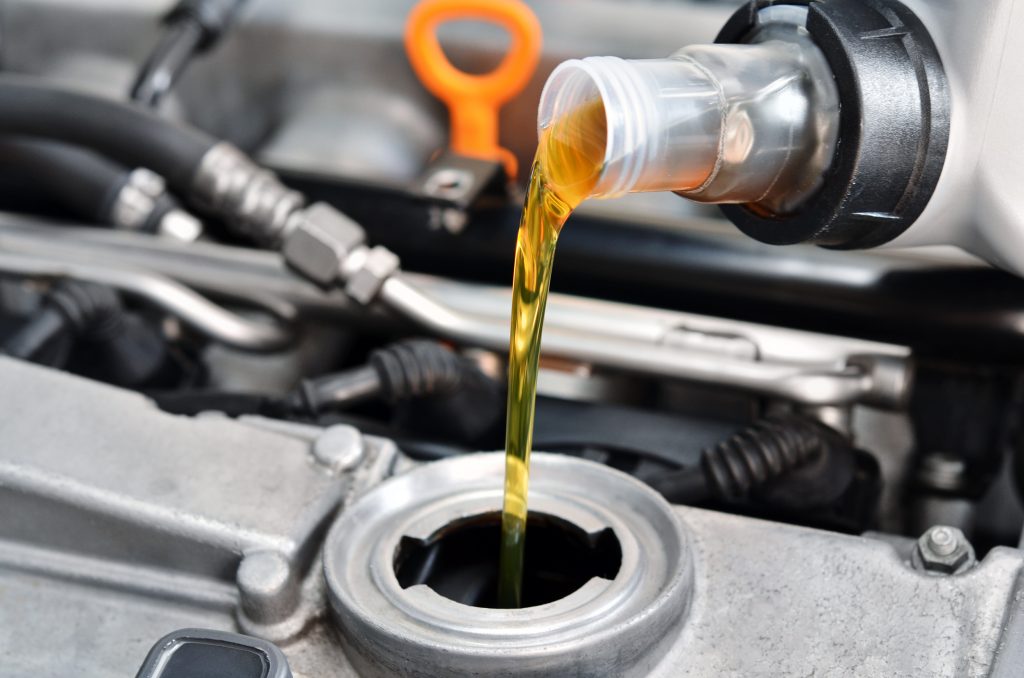
Engine oil acts as the lifeblood of your vehicle. It lubricates moving parts, minimizes friction, and combats wear and tear. To check and change your engine oil effectively, follow these steps:
- Park on a level surface and turn off the engine.
- Wait a few minutes for the oil to settle.
- Locate the dipstick, pull it out, and wipe it clean.
- Reinsert the dipstick, then pull it out again to check the oil level.
- If necessary, change the oil by following the vehicle’s manual regarding the interval and capacity.
Importance of the Oil Change Interval
The required oil change interval can vary significantly depending on your car’s make and model. While older vehicles may need oil changes every 3,000 to 7,000 miles, many newer models can go up to 15,000 miles or more, especially when using synthetic oil. Always refer to your owner’s manual for precise recommendations.
| Maintainable Aspect | Recommended Frequency |
|---|---|
| Engine Oil Change | Every 5,000 to 15,000 miles |
| Air Filter Replacement | Every 12,000 to 15,000 miles |
| Tire Pressure Checks | Monthly |
| Tread Depth Inspections | Every 5,000 miles |
Identifying Common Warning Lights and What They Mean
Modern vehicles are equipped with various dashboard indicators to alert drivers to potential issues. Understanding what these warning lights mean is crucial for safe driving and proactive maintenance. Regularly referring to your vehicle’s manual can help clarify the significance of each light.
Common Warning Lights and Their Implications
| Warning Light | Meaning | Urgency |
|---|---|---|
| Check Engine | Engine/system issue | Check soon |
| Oil Pressure Warning | Low oil pressure | Stop immediately |
| Battery Light | Charging system problem | Check battery/alternator |
| Tire Pressure Light | Tire underinflated | Inflate tires promptly |
Being attuned to these warning indicators can prevent potential breakdowns and is vital for maintaining vehicle health. For instance, if the oil pressure warning light activates, it’s imperative to stop the car and check the oil levels or seek help immediately. Having a baseline understanding of these warnings prepares any car owner to act quickly and effectively should issues arise.
Your vehicle mirrors the dedication you put into its maintenance. Following these essential tips can help ensure your car remains a reliable companion on the road. For advanced maintenance resources, consider visiting links such as this article for more detailed guides.