
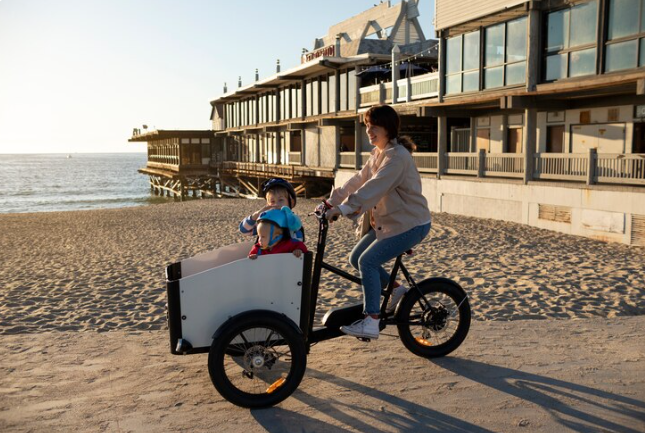
In the ever-evolving landscape of urban logistics, businesses are increasingly turning to innovative transportation solutions. Among these, tricycles have emerged as a viable and profitable option, especially for deliveries in densely populated areas. With the rise of eco-conscious consumerism and the demand for efficient cargo transport, selecting the right model has become crucial for maximizing profitability. This article delves into the various aspects of tricycles for business, highlighting different types available, their unique features, and key factors to consider when making a choice.
Understanding the Types of Tricycles: A Quick Overview
When it comes to tricycles, understanding the various types available in the market helps in making an informed choice. Tricycles for business primarily fall into two categories: cargo tricycles and electric tricycles. Each of these types serves specific purposes and has its own advantages.
Cargo Tricycles: Versatility and Capacity
Cargo tricycles are designed with a primary focus on carrying goods. They come equipped with a spacious cargo bay at the back, enabling businesses to transport a variety of products, from groceries to heavy equipment. The versatility of cargo tricycles makes them suitable for multiple industries including food delivery, retail, and even construction.
For instance, a local bakery might utilize a cargo tricycle to deliver fresh bread to nearby cafes. With a load capacity that can vary widely based on design—some can carry up to 400 kg—cargo tricycles are particularly beneficial for businesses needing a reliable and economic delivery method.
Electric Tricycles: Combining Technology with Efficiency
As urban mobility continues to evolve, electric tricycles are becoming increasingly popular. These models are powered by batteries and feature an electric motor that aids in pedaling, making it easier to navigate through challenging terrains and reducing driver fatigue. Businesses can benefit from electric tricycles in several ways:
- Cost Efficiency: Lower operational costs due to reduced reliance on fossil fuels.
- Environmentally Friendly: A reduced carbon footprint aligns with the global push for sustainability.
- Enhanced Performance: Electric assistance allows for carrying larger loads with ease.
As an example, a courier service could utilize electric tricycles for rapid deliveries, ensuring time efficiency while contributing to pollution reduction.
Key Factors Influencing the Selection of Tricycles
Choosing the right tricycle model isn’t merely about capacity or design; several factors should guide this decision-making process. Below are critical factors to consider:
Market Demand and Customer Needs
Understanding market demand is paramount. For instance, if a business operates in an area with growing demands for eco-friendly delivery options, investing in electric tricycles may provide a competitive edge. Analyzing customer preferences and the specific needs of the local market helps businesses tailor their transportation solutions effectively.
Cost Efficiency and Maintenance
While initial investments in tricycles can vary, it’s vital to evaluate long-term cost efficiency. Electric tricycles, while often pricier initially, generally offer lower maintenance costs over time compared to traditional motor vehicles. An analysis of the total cost of ownership will assist businesses in making a financially sound decision.
Terrain Suitability
The terrain in which a business operates plays a significant role in selecting the most appropriate tricycle model. For urban environments with narrow streets and dense traffic, nimble cargo tricycles can navigate easily. Conversely, businesses operating in areas with steep inclines may prioritize models equipped with stronger motors or optimized for cargo capacity.
Assessing the Profitability of Tricycle Models
Profitability is a decisive factor when selecting the right business model involving tricycles. Ultimately, businesses should ask themselves: how does this investment align with my financial goals? An analysis of the potential return on investment is necessary to ensure the chosen model contributes positively to the bottom line.
| Model Type | Initial Cost | Maintenance Cost | Load Capacity | Profit Potential |
|---|---|---|---|---|
| Cargo Tricycle | $1,200 – $2,500 | Low | 200 – 400 kg | High in Local Deliveries |
| Electric Tricycle | $2,500 – $5,000 | Very Low | 150 – 300 kg | Moderate; High with Sustainable Branding |
The table provides a comparison of two types of tricycles in terms of initial cost, maintenance, load capacity, and profit potential, assisting businesses in making a well-informed decision. A thorough financial analysis will underscore the optimal choice for maximizing profit margins.
Benefits of Implementing Tricycles in Business Operations
Integrating tricycles into business operations brings a multitude of benefits that extend beyond simple delivery solutions. One cannot underestimate the importance of a branding strategy that highlights sustainability and efficiency, both of which are reinforced through the use of tricycles.
Enhanced Brand Image
Incorporating green transportation solutions into a business model can significantly enhance public perception and brand image. Companies that prioritize environmental consciousness often attract a loyal customer base. For instance, a startup focused on delivering eco-friendly products might leverage cargo tricycles to reflect its commitment to sustainability.
Increased Customer Reach
Due to their compact design, tricycles excel in urban settings, allowing businesses to penetrate areas that may be inaccessible to larger vehicles. This increased reach can lead to an expanded customer base, further enhancing profitability.
Agility and Speed
Tricycles are generally more agile than traditional vehicles, reducing delivery times. Their capacity to navigate congested streets effectively means that businesses can fulfill orders quickly, often leading to enhanced customer satisfaction—a vital element in today’s competitive market.