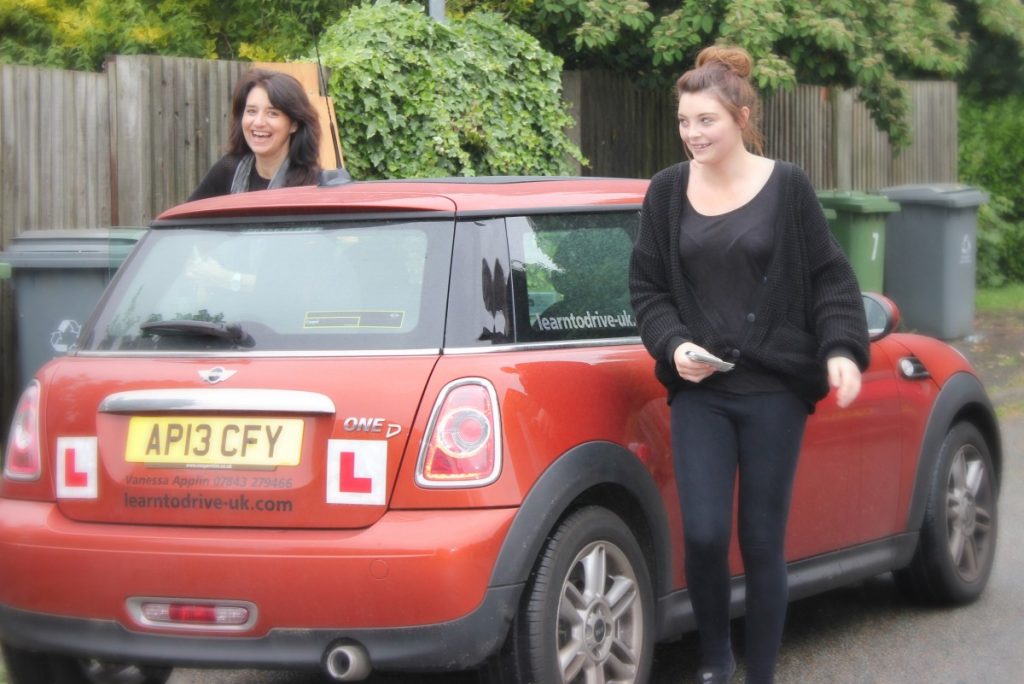

Learning to drive is a major milestone, but one question looms large for most beginners: how many lessons does it actually take to pass the driving test? The answer isn’t always straightforward. It depends on factors like your confidence, learning pace, and the quality of instruction. In this article, we’ll break down what influences the number of lessons you may need—and how to make each one count.
The Average Number of Driving Lessons Required for Passing
In the context of driving lessons, the average number of hours needed to achieve proficiency can serve as a helpful benchmark. According to the Driving Standards Agency (DVSA), learners typically require around 44 hours of structured instruction to become adequately prepared for the driving test. However, this is just a guideline, and individual experiences may differ significantly.
Several factors can contribute to this variance:
- Previous Experience: Individuals with prior driving or motorcycle experience may find that they need fewer lessons to grasp the intricacies of a car’s controls compared to complete novices.
- Personal Confidence: A learner driver with more self-assurance may not require as extensive training as someone who feels anxious or apprehensive about driving.
- Learning Style: Some individuals are quick learners and absorb concepts effortlessly, while others may require more time to adapt to the specifics of driving.
In a learner driver’s journey, understanding the average lesson requirement offers a crucial starting point. However, the true measure of progress is the ability to drive confidently and competently during the road test.
Assessment Lessons: Taking the First Step towards Competence
One of the most effective ways to gauge how many lessons a learner driver will need is through an assessment lesson with a qualified driving instructor. This initial session is tailored to evaluate the driver’s current skills and areas that require improvement.
During an assessment lesson, an instructor will typically observe:
- Road Positioning: How well a learner maintains a safe distance from other vehicles and positions themselves in different traffic scenarios.
- Control of the Vehicle: The ability to steer, accelerate, and brake smoothly while navigating various terrains.
- Understanding of Traffic Rules: Knowledge of the essential traffic rules and the ability to respond correctly to road signs and signals.
This evaluation provides significant insights and forms the basis for creating a personalized driving curriculum that addresses specific needs. Many driving schools offer discounted rates for this first lesson, making it an accessible starting point for potential learners.
Factors Influencing the Number of Required Lessons
When determining the number of driving lessons required, other notable elements come into play. Understanding these can assist a learner driver in customizing their approach to lessons.
Role of Age in Learning to Drive
Statistical evidence suggests that younger learners typically require fewer lessons to attain driving proficiency. According to the DVSA, the rule of thumb is that students require approximately two additional hours of instruction for each year they’ve lived. Thus, a teenager hoping to acquire a license may only require between 30 and 35 hours of lessons, while someone in their thirties or forties may find themselves needing considerably more.
Learning Styles and Their Impacts
Learning styles are equally pivotal when determining the number of driving lessons required. For instance:
- Visual Learners: May benefit from instructional videos and practical demonstrations alongside traditional lessons.
- Auditory Learners: Might flourish through listening to explanations and engaging in discussions with their instructor.
- Kinesthetic Learners: Prefer hands-on experience and often learn best when actively driving.
A qualified driving instructor can adjust their teaching methods to suit the learner’s preferences, subsequently impacting the efficiency and effectiveness of the lessons.
The Importance of Lesson Frequency and Private Practice
One of the secrets to mastering driving skills is the frequency of lessons. For optimal growth, learners are encouraged to take lessons consistently during the week. An average of 2 to 4 hours spread across the week is ideal. This structured approach provides regular reinforcement of skills, significantly aiding in progression.
Moreover, private practice complements formal lessons. The DVSA recommends at least 22 hours of supervised practice outside of formal lessons. Driving with a friend or family member allows learners to experience varying traffic scenarios while solidifying their skills. However, caution is imperative; the supervising individual should have adequate experience and ideally hold a driving license, fostering a safe learning environment.
Choosing the Right Driving School and Instructor
Selecting a suitably tailored driving school is crucial in ensuring that learners acquire the skills needed to pass the driving test successfully. Factors to consider include:
- Reputation: Research the school’s track record, utilizing testimonials and reviews from previous students.
- Instructor Qualification: Ensure all instructors possess the necessary qualifications and certifications.
- Flexible Scheduling: Opt for schools offering varied lesson times that fit around other commitments.
A reputable driving school will not only enhance learning, providing tailored support but will also boost overall confidence, preparing learners thoroughly for their road test. Begin your journey to confident driving with Avalon Driving School’s all-inclusive driving lessons.