
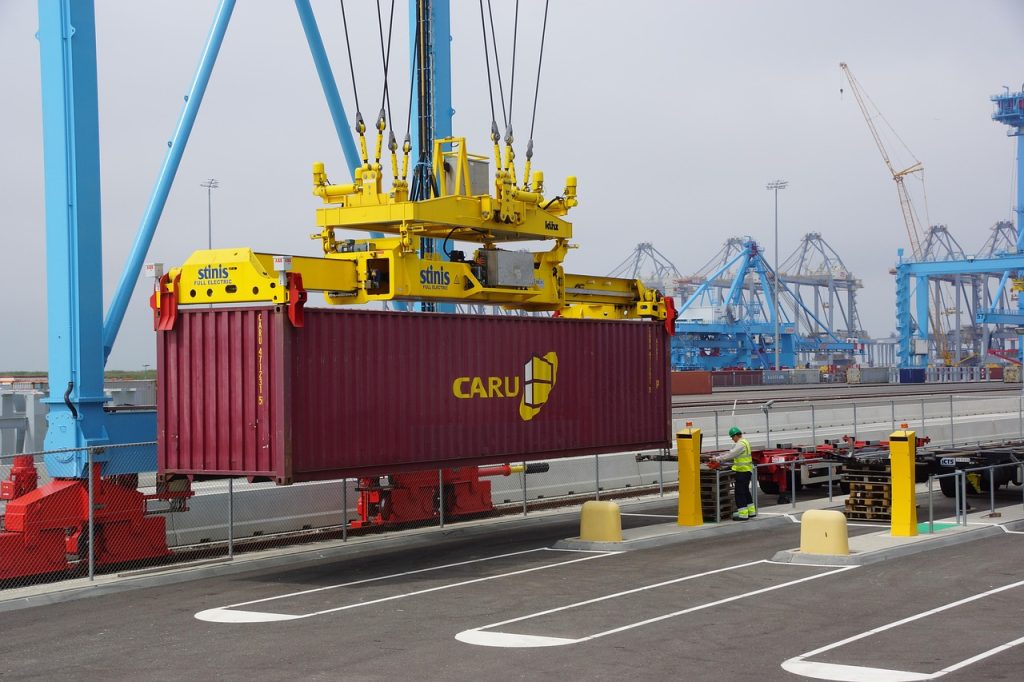
In today’s fast-paced global economy, businesses constantly seek ways to reduce shipping costs and improve logistics efficiency. One method that helps achieve both goals is cargo consolidation. This strategy, often overlooked by smaller businesses, offers a range of benefits when used wisely. But what exactly is cargo consolidation, and how can it support smarter shipping decisions?
Understanding Cargo Consolidation
Cargo consolidation is the process of combining multiple smaller shipments into one larger shipment. These shipments may come from different suppliers or customers and are headed to the same destination or region. Instead of shipping each item separately, they are grouped together into a single container or pallet.
This approach is common in both air and ocean freight. It is typically used by freight forwarders who collect goods from various clients and merge them before sending them out.
Why Use Cargo Consolidation?
Cargo consolidation brings several advantages to shippers, transporters, and even end customers. Let’s take a closer look.
1. Cost Savings
Shipping a full container is often cheaper per unit than sending several smaller packages. Here’s a quick comparison:
| Shipping Method | Cost per Cubic Meter | Number of Shipments | Total Cost |
|---|---|---|---|
| Individual Packages | $150 | 4 | $600 |
| Consolidated Cargo | $90 | 1 | $360 |
By consolidating shipments, companies can reduce the cost per item and save significantly on freight charges.
2. Efficient Use of Space
Consolidation ensures that container or truck space is used more efficiently. This reduces the number of half-filled containers and helps cut down on waste.
3. Reduced Carbon Emissions
Fewer shipments mean fewer trucks or planes needed. This lowers fuel use and contributes to more sustainable logistics practices.
4. Simplified Customs Clearance
With fewer shipments to process, customs paperwork is reduced. This can speed up delivery times and lower the risk of delays at ports.
Types of Cargo Consolidation
There are different ways to consolidate cargo based on needs and logistics flow.
Warehouse Consolidation
In this method, all shipments are sent to a central warehouse. There, they are combined into one before being dispatched. This works well for businesses that receive goods from various suppliers.
Container Consolidation (LCL)
Known as Less than Container Load (LCL), this option is popular in ocean freight. Shippers with small volumes of goods can share a container with others.
Air Cargo Consolidation
Air freight consolidators combine packages from different customers into one unit load device (ULD). This reduces costs while ensuring timely delivery.

Steps in the Cargo Consolidation Process
The process of cargo consolidation is organized and follows a clear workflow:
-
Booking – Each shipper reserves space through a freight forwarder.
-
Pickup or Delivery – Goods are sent to the consolidation center.
-
Inspection – Packages are checked, labeled, and matched with documents.
-
Merging – Compatible shipments are grouped based on destination.
-
Loading – The consolidated cargo is packed into containers or ULDs.
-
Shipping – The shipment moves via sea, air, or land to the target location.
-
Deconsolidation – At the destination, the shipment is unpacked and each package sent to the final recipient.
When Is Cargo Consolidation a Good Choice?
Cargo consolidation makes sense in several situations:
-
When shipping small volumes regularly.
-
When working with multiple suppliers in one region.
-
When aiming to reduce logistics costs.
-
When time sensitivity is balanced with budget considerations.
However, it may not be ideal for urgent shipments or goods that require special handling.
Challenges and How to Overcome Them
While helpful, cargo consolidation can present some obstacles:
| Challenge | Solution |
|---|---|
| Coordination across suppliers | Use reliable freight forwarders and planning |
| Delays in full container load | Set clear timelines with all involved parties |
| Damage during handling | Use quality packaging and trained staff |
Working with a reliable logistics partner can help avoid most of these problems.
Key Takeaways
Cargo consolidation supports smarter and more cost-effective shipping. It reduces freight charges, optimizes space, and simplifies customs. With rising demand for sustainable practices, this strategy aligns with both budget and environmental goals.
To get started with efficient cargo consolidation solutions, businesses can turn to Alpi USA, a trusted partner in freight and logistics services.