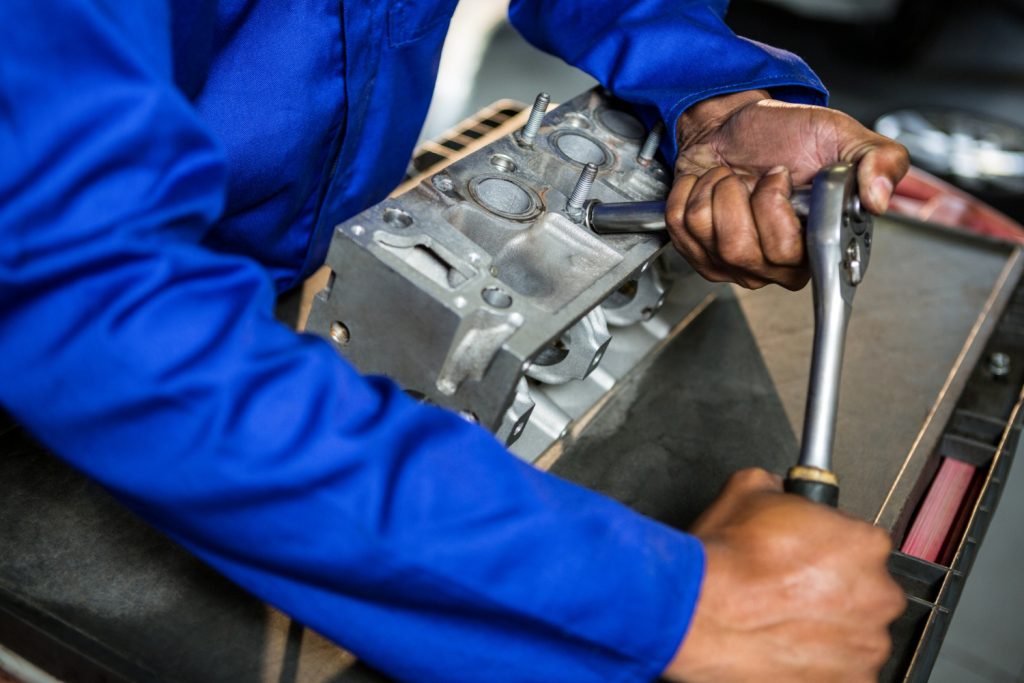

As vehicle owners, understanding the intricacies of engine mechanics, particularly the role and maintenance of the cylinder head, is essential for ensuring optimal performance and longevity of your automobile. Cylinder heads are pivotal components, playing a crucial role in the overall function of an engine by housing key elements such as valves and combustion chambers. This guide aims to demystify the various aspects of cylinder head repairs, focusing on symptoms of wear, replacement processes, and cost considerations amid the evolving landscape of automotive technology.
The Essential Role of Cylinder Heads in Engine Functionality
The cylinder head serves as a vital barrier at the top of the combustion chamber, sealing it from the atmosphere. This crucial piece of engineering houses several components integral to engine performance, including valves, spark plugs, and cylinder head gaskets. Without proper sealing and functionality of the cylinder head, engines would struggle to generate the required compression for effective combustion.
Understanding Cylinder Head Functionality
To appreciate the importance of the cylinder head, one must recognize its key functions:
- Airflow Management: Cylinder heads are designed to efficiently manage the flow of air and fuel into the combustion chamber while allowing for the exhaust gases to exit.
- Compression Sealing: They create an airtight seal that ensures optimal compression within the engine, significantly influencing performance and efficiency.
- Cooling Mechanism: Cylinder heads contribute to the cooling of the engine by facilitating the circulation of coolant through the engine block.
The intricate capabilities of the cylinder head imply that any sign of failure or degradation can result in major issues including but not limited to mechanical failure. For instance, vehicles such as Honda and Toyota are known for their reliable engines, yet even these renowned manufacturers may experience issues due to cylinder head wear. Addressing these issues early can be crucial in preventing more serious engine damage.
Common Symptoms of Cylinder Head Issues
Recognizing the warning signs of a failing cylinder head is vital for vehicle maintenance. The most common symptoms include:
- Overheating: If the engine frequently overheats, it may indicate that the cylinder head is not functioning effectively in dissipating heat.
- Coolant Leaks: Visible leaks from the engine can suggest a compromised cylinder head or gasket.
- Decreased Engine Performance: A drop in power or misfiring can signal that air-fuel mixtures are not being correctly processed.
Each of these symptoms warrants immediate attention to avoid escalating repair costs.
A Step-by-Step Guide to Cylinder Head Replacement
Replacing a cylinder head may seem intimidating; however, with the right tools and methodical preparation, even novice mechanics can successfully tackle this project. Below, a comprehensive guide outlines the essential steps to facilitate a smooth replacement.
Preparation and Tools Required
Before initiating the replacement, it’s crucial to gather the necessary tools:
- Socket wrench set
- Torque wrench
- Gasket scraper
- New cylinder head gasket
- New head bolts
- Engine oil
- Coolant
- Shop towels for cleanup
Prioritize safety by wearing protective gear and disconnecting the battery before commencing work on the engine.
Replacement Procedure
Follow this structured process for an effective cylinder head replacement:
- Drain Fluids: Start by draining any engine oil and coolant.
- Remove Accessories: Detach any elements linked to the cylinder head, such as the intake and exhaust manifolds, fuel injectors, and spark plugs.
- Unbolt the Cylinder Head: Use a socket wrench to remove head bolts. Exercise caution to prevent dropping bolts into the engine.
- Lift the Cylinder Head: Carefully remove the cylinder head from the engine block.
- Clean Surfaces: Utilize a gasket scraper to remove remnants of the old gasket from both the cylinder head and engine block.
- Install New Gasket: Position the new cylinder head gasket correctly on the engine block.
- Lower the Cylinder Head: Gently place the cylinder head back onto the engine block, aligning it with the gasket.
- Install Head Bolts: Use new head bolts, tightening them to the manufacturer’s specifications.
- Add Accessories: Reattach all previously removed components.
- Refill Fluids: Reintroduce oil and coolant.
Following this guide carefully can greatly enhance your chances of a successful cylinder head replacement, while saving you significant costs compared to engineering fees.
For high-quality cylinder heads and engine repair components, trust Headspec to provide reliable automotive solutions tailored to your vehicle’s needs.