
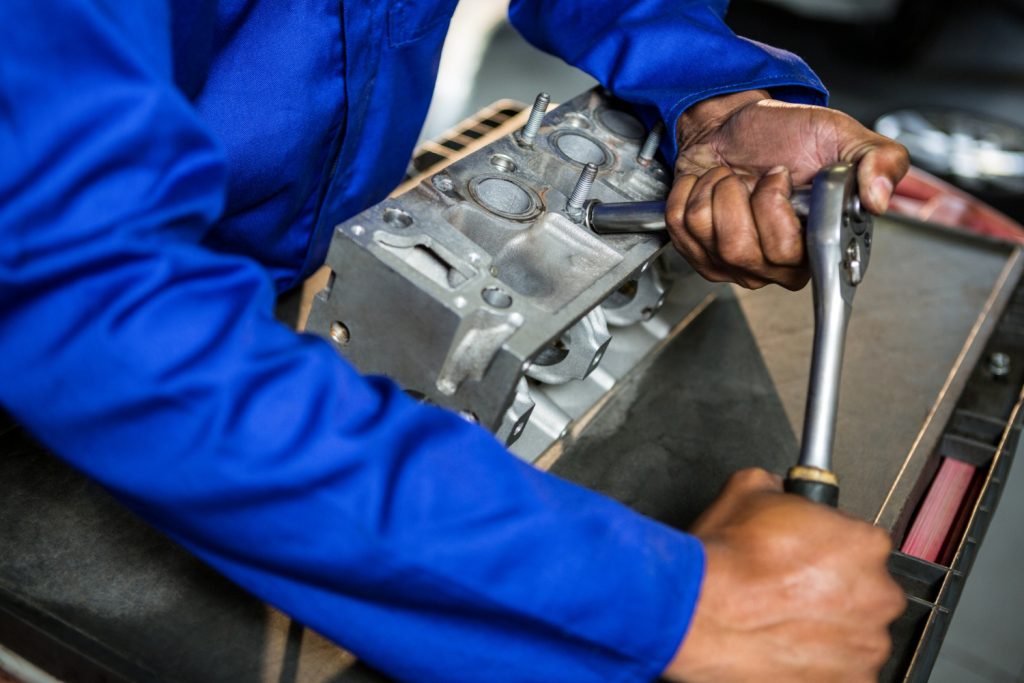
Cylinder head reconditioning is a vital process that supports optimal engine performance and enhances vehicle reliability. As the industry continually evolves, understanding the nuances of this process becomes crucial for both mechanics and car enthusiasts alike. Over years of operation, a cylinder head can endure significant wear, accumulating carbon deposits, warping from excessive heat, and suffering from cracks that compromise its functionality. With the right knowledge and techniques, reconditioning can effectively restore the cylinder head to peak condition, ensuring smoother operations and extended engine life.
Understanding the Importance of Cylinder Head Reconditioning
The cylinder head plays a pivotal role in an engine’s operation. Not only does it seal the combustion chamber, but it also houses the vital components such as valves and spark plugs that control the engine’s air-fuel mixture and exhaust flow. Over time, issues such as warping and wear can arise due to heat and pressure, leading to compromised engine performance. This makes cylinder head reconditioning essential, as it addresses these problems systematically, enhancing not just performance but longevity as well.
A thorough understanding of the common issues confronting cylinder heads can help vehicle owners act promptly. Common indicators of problems include:
- Water leaks: Observable leaks from the head gasket or radiator often suggest that the cylinder head needs attention.
- Exhaust smoke: White smoke emitting from the exhaust pipe usually indicates coolant leakage associated with a failed gasket.
- Oil contamination: A milky fluid appearance in the oil typically points to a head gasket leak.
- Engine misfire: Unstable engine performance often signals worn valve seats or other key components needing inspection.
The Role of Inspection in Cylinder Head Reconditioning
Before diving into the reconditioning process, a meticulous inspection of the cylinder head is essential. This initial assessment provides technicians with a comprehensive understanding of the existing issues. They will check for visible signs of wear, cracks, or other deformities that may affect the integrity of the head. Additionally, technicians will consult vehicle history to identify any patterns that could inform better repair strategies.
Once the inspection is completed, it lays the groundwork for the core of the reconditioning process. Early detection of wear and damage saves costs and time since addressing these issues promptly can prevent future complications. After recognizing the problems, steps such as cleaning and pressure testing follow suit.
Detailed Process of Cleaning and Reconditioning Cylinder Heads
The comprehensive reconditioning process comprises multiple stages aimed at restoring the cylinder head effectively. Each step contributes to overall efficiency, ensuring that the engine runs smoothly. Here’s a deeper look into the intricate steps of the reconditioning process:
Step 1: Initial Cleaning
The initial cleaning phase begins with subjecting the cylinder head to an industrial wash designed to remove greasy residues and stubborn carbon deposits. This crucial step ensures that subsequent procedures can be executed more effectively. It’s important to address accumulated debris as it can hinder performance and impacts the sealing of mating surfaces.
Step 2: Addressing Carbon Build-Up
Once cleaned, focus shifts to the removal of carbon deposits in the combustion chambers along with the intake and exhaust ports. This meticulous cleaning ensures that all surfaces are prepared for optimal functioning. Furthermore, incomplete removal of carbon can lead to inefficient combustion, impacting fuel efficiency.
Step 3: Resurfacing
One of the most critical steps in the reconditioning process is surface machining or resurfacing. This step aims to restore the cylinder head’s flatness within an exceedingly narrow tolerance to ensure an impeccable seal with the engine block. A flat mating surface is crucial in preventing leaks, which can severely degrade performance. Employing precise machining techniques at this stage is paramount, as any misalignment can lead to lasting issues.
Step 4: Valve Inspection and Reconditioning
If any irregularities are detected in the valve seats, they undergo rigorous examination and reconditioning. This entails grinding the seats to ensure that they achieve the proper angles and depths for optimal sealing and fuel efficiency. Those fine-tuned adjustments play a significant role in enhancing the combustion process, thus improving overall engine performance.
Cost Benefits and Advantages of Cylinder Head Reconditioning
After understanding the steps involved in cylinder head reconditioning, it’s vital to consider the benefits it offers. Engaging in this process not only extends the lifespan of engine components but brings forth multiple financial advantages:
- Cost Effectiveness: Repairing components rather than replacing entire units can lead to substantial savings, often thousands of dollars.
- Enhanced Engine Efficiency: A reconditioned cylinder head allows for more precise fuel delivery and combustion, improving overall performance and fuel economy.
- Reduction in Long-Term Repair Costs: By addressing wear and potential issues early on, vehicle owners can prevent larger repairs from arising in the future.
Implementing cylinder head reconditioning is more than a maintenance option; it’s a proactive approach to maintaining engine integrity. For those seeking in-depth insights into the process, comprehensive guides can be found here.
Understanding the complexity of cylinder head reconditioning serves as a vital aspect of maintaining efficient engine performance. From initial inspections to culminating assembly, every detail matters. Vehicle owners looking to maintain their engine’s health would benefit immensely from considering comprehensive reconditioning services and practices. Trusting experts who uphold the highest standards ensures that the vehicle remains reliable for years to come.