In the ever-evolving landscape of manufacturing technology, the significance of industrial power transmission products cannot be overstated. They serve as the silent yet formidable backbone, enabling machines to function seamlessly and efficiently. With advancements in automation and the push for higher power efficiency, understanding the intricacies of these systems is vital for optimizing production processes. This exploration delves into the essentials of power transmission, emphasizing core components such as gearboxes, belt drives, chain drives, and couplings, illuminating their roles in enhancing overall manufacturing capabilities.
The Foundation of Power Transmission Systems
At the heart of every efficient industrial setup lies a sophisticated network known as a power transmission system. Defined fundamentally, this system encompasses a range of components that facilitate the transfer of mechanical energy from a primary source—such as an electric motor—to various applications, which can include conveyor systems, pumps, or other driven equipment. The smooth operation of a manufacturing facility hinges on this effective energy transfer, making it essential for engineers and operators to grasp its functionality.
Power transmission systems can be categorized mainly into two types: electrical power transmission and mechanical power transmission. The former deals with high-voltage lines that distribute electricity over long distances, while the latter focuses on mechanical components operating in proximity to one another. The mechanical aspect is pivotal to industrial machines, transforming raw energy into productive work.
Functionality Beyond Energy Transfer
While the primary role of mechanical power transmission systems is to transport energy, their functionality extends much further. These systems are crucial for:
- Controlling Speed: Adjusting the rotational speed of machinery to meet specific process requirements.
- Controlling Torque: Modifying the turning force to manage heavy loads, crucial in applications like lifting and rotating equipment.
- Controlling Direction: Changing the rotational axis as needed, for instance, modifying a horizontal motor’s rotation to power a vertical conveyor.
This advanced control ensures that raw energy is converted into productive, precise motion, a hallmark of successful manufacturing processes.
Core Components of Industrial Power Transmission
The effectiveness of a power transmission system relies heavily on its core components. Each plays a distinct role in ensuring that power is transferred accurately and efficiently.
| Component | Function | Typical Applications |
|---|---|---|
| Gear Drives | Offers precise speed and torque control | Used in heavy machinery like steel mills |
| Shaft Couplings | Connects two shafts, facilitating power transfer | Linking motors to gearboxes in pump systems |
| Belt Drives | Absorbs shock and operates quietly over long distances | Powering conveyor belts and HVAC systems |
| Chain Drives | Provides a non-slip transmission for high-torque applications | Utilized in material handling and forklifts |
| Power Screws | Converts rotational motion into linear motion | Used in CNC machines and lifting systems |
Each of these components is integral to the broader system. For instance, gear drives excel in delivering high torque while maintaining speed adjustments essential for different manufacturing tasks. On the other hand, shaft couplings are crucial for linking motors to machinery, allowing for misalignment without loss of efficiency.
The Critical Role of Transmission Systems Across Industries
The application of power transmission systems varies across industries, tailored to meet the unique demands of each sector. This adaptability is a critical indicator of their importance in modern manufacturing.
Manufacturing and Automation
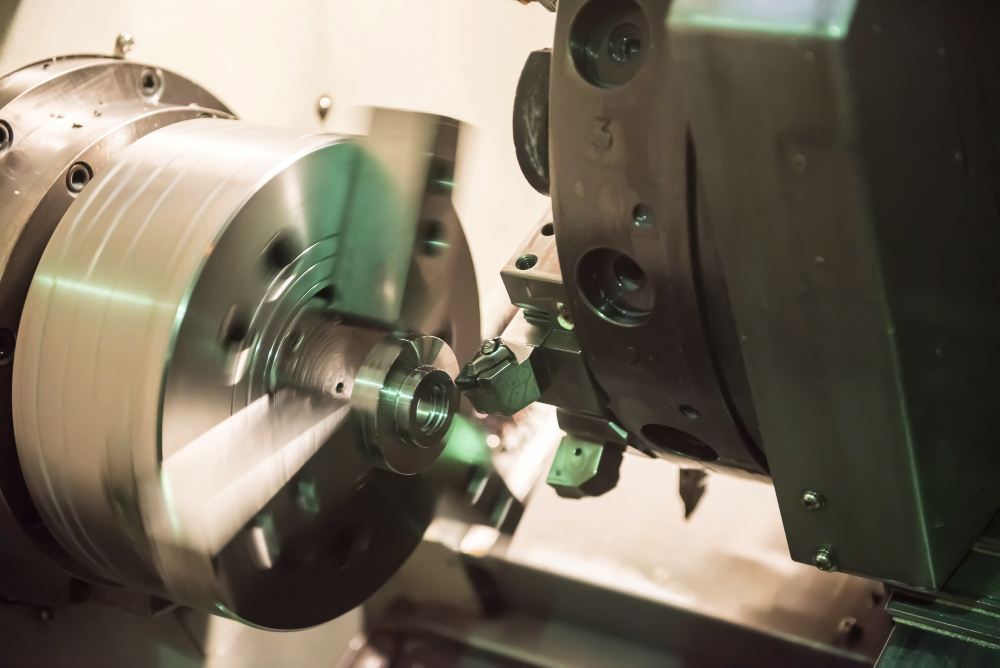
In manufacturing environments, power transmission systems drive the entire production line, from high-speed spindles of CNC machines to conveyor systems that transport materials. Here, the accuracy of these systems dictates not just production speed but also the quality of the output, significantly influencing a company’s competitive edge.
Aerospace and Heavy Machinery
Industries such as aerospace depend heavily on ultra-reliable power transmission products due to the formidable demands of flight systems and heavy machinery operations. Reliability in these critical components is non-negotiable, as any failure can lead not only to monetary losses but also safety risks.
Food and Pharmaceutical Industries
In the food and pharmaceutical sectors, the requirements shift towards systems that are not only efficient but also compliant with strict hygiene standards. This involves using corrosion-resistant materials and designs that facilitate easy cleaning, further emphasizing the importance of selecting the right components for each application.
To maximize efficiency and reliability in your operations, consider partnering with Ontario Belting, a trusted provider of advanced industrial power transmission solutions tailored to your specific manufacturing needs.