The reputation of a luxury brand hinges not only on its products but also on the overall customer experience it provides. Within the luxury retail sector, the cleanliness and presentation of a store play a pivotal role in shaping customer perceptions. High standards of sanitation and aesthetics create an atmosphere that aligns with the brand’s identity. As we delve into the cleaning standards essential for luxury stores, it becomes clear that these practices do more than maintain cleanliness; they safeguard the brand’s image and enhance customer loyalty.
Importance of Cleanliness in Luxury Stores
Maintaining cleanliness in luxury stores transcends mere hygiene; it is an integral aspect of brand identity. The visual and physical condition of a store establishes the first impression for customers and influences their shopping experience significantly. Research indicates that clean environments lead to enhanced customer satisfaction and potentially increased sales. For luxury brands, where customer expectations are exceedingly high, any lapse in cleanliness can result in negative perceptions.
Customers expect a luxurious experience not only through products but also in their surroundings. A dusty shelf or a stained floor can deter clients and damage frequent patronage. In the realm of luxury retail, every detail matters. Brands must ensure that their cleaning protocols are rigorous, reflecting the quality and status they promise through their products.
Standards of Cleanliness and Sanitation
Establishing robust cleaning standards is critical for maintaining the luxury image. These standards should include regular deep cleaning schedules as well as daily maintenance routines. Facilities should be free from dust, stains, and odors, and surfaces should be impeccably polished to showcase the products attractively.
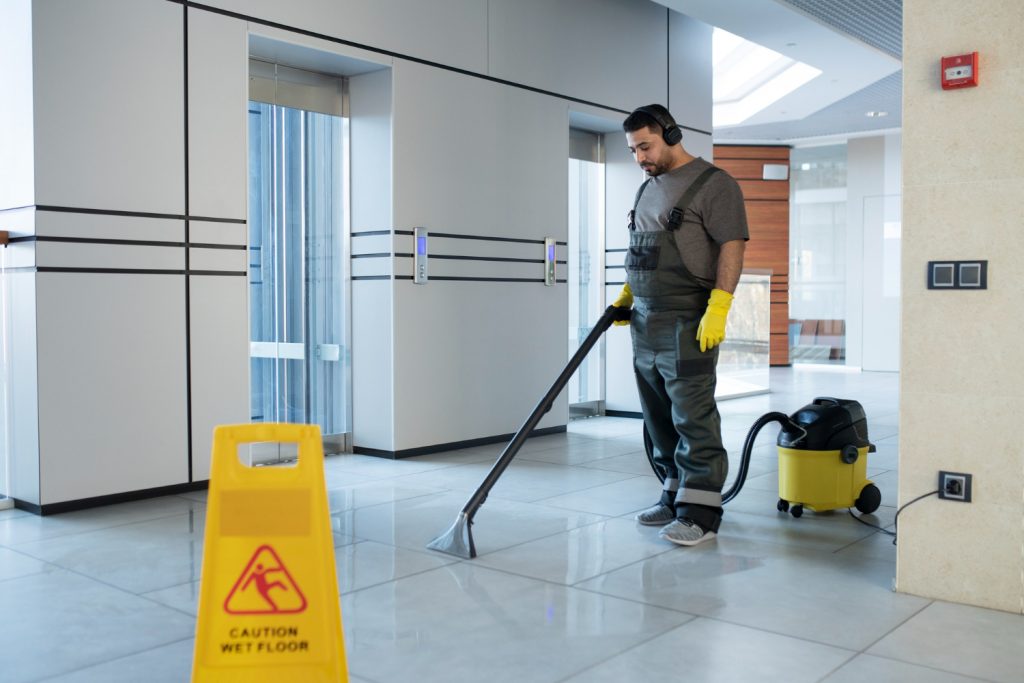
- Daily Cleaning Tasks: Vacuuming carpets, dusting surfaces, and refreshing air quality can create a welcoming environment.
- Weekly Deep Cleaning: Washing windows, polishing fixtures, and deep cleaning bathrooms are necessary to maintain high hygiene standards.
- Monthly Maintenance: A comprehensive check of the entire space to identify any areas that require attention is crucial for sustaining a clean image.
Moreover, ensuring that cleaning products are suitable for luxury environments is essential. High-quality, non-toxic cleaning solutions that do not leave residues or strong odors should be emphasized. This approach aligns with the expectations of discerning clients who favor environmentally friendly practices.
Impact of Store Cleanliness on Customer Experience
The relationship between cleanliness and customer experience is particularly pronounced in the luxury sector. A pristine environment not only improves the aesthetic appeal of the store but also communicates a message of professionalism and care. High-end retailers have recognized that a well-maintained store resonates with clients, fostering a positive emotional response. This, in turn, can result in increased loyalty and repeat business.
Moreover, clean stores are perceived as more safe and inviting. In today’s climate, where health and hygiene concerns are paramount, the importance of visible cleanliness cannot be overstated. Clients are reassured by sanitized spaces, which enhance their overall comfort level during their shopping experience. This factor is especially critical in luxury stores, where customers may spend significant amounts of time browsing and trying products.
Creating an Inviting Atmosphere
In addition to basic cleanliness, creating an inviting atmosphere through strategic design and presentation is key. Luxury brands often invest in high-profile store designs with upscale finishes. However, if cleanliness does not match the sophistication of the design, the overall ambiance is compromised.
Consider adding elements such as:
- Natural Lighting: Enhances the aesthetic appeal and makes cleanliness more visible.
- Furniture Placement: Ensures easy accessibility and flow throughout the store.
- Elegant Displays: Clean product displays that resonate with the brand message can elevate customer interactions.
Quality Assurance in Cleaning Standards
Establishing quality assurance protocols ensures that cleaning standards are consistently met. This process can involve regular audits, staff training programs, and customer feedback mechanisms. Quality assurance guarantees that employees understand their roles in maintaining cleanliness and are held accountable for following the established guidelines.
Luxury brands can implement various measures to maintain quality assurance:
| Cleaning Task | Frequency | Responsible Personnel |
|---|---|---|
| Dusting surfaces | Daily | Sales Staff |
| Restroom sanitation | Hourly | Cleaning Crew |
| Window cleaning | Weekly | External Service |
By holding staff accountable for these standards, luxury brands demonstrate a commitment to cleanliness that enhances their reputation and protects their brand image.
Adherence to high luxury store cleaning standards not only safeguards a brand’s image but is an investment in the overall customer experience. By prioritizing sanitation and quality assurance, luxury retailers can effectively protect their brand reputation and cultivate lasting customer relations. For further insights into enhancing your luxury store’s operational excellence, consider exploring resources available at cleaning best practices or reputation management strategies.