The quest for enhanced vehicle performance often leads drivers to consider specialized air filters. These components claim to improve engine efficiency through better airflow and filtration capabilities. But what exactly is the impact of these filters on engine performance? With advancements in automotive technology, understanding how filtration ratings directly correlate with engine output is critical for both enthusiasts and everyday drivers. This exploration reveals how the nuances between different types of air filters can significantly influence a vehicle’s power, efficiency, and longevity.
Understanding Filtration Ratings in Air Filters
Filtration ratings are crucial indicators of how well an air filter performs its main job: preventing dirt and contaminants from entering the engine. Filters are typically rated based on their ability to capture particles of varying sizes while maintaining a free flow of air. A higher filtration rating often translates into better engine protection. However, this effectiveness must be balanced against airflow capabilities, as excessive restriction can lead to performance drawbacks.
Types of Air Filters and Their Characteristics
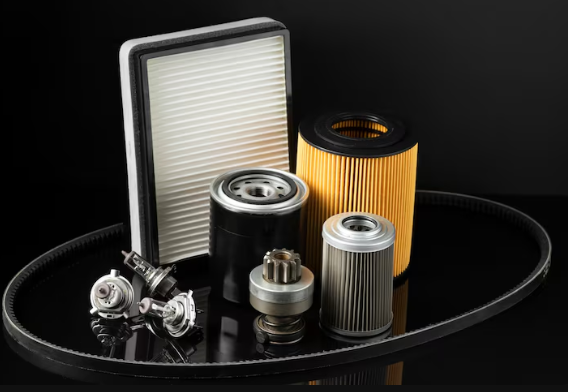
Air filters fall into several categories, and each type comes with its own set of advantages and disadvantages:
- OEM Paper Filters: Generally, these filters provide excellent filtration and last longer before becoming restrictive.
- Performance Filters: Designed to maximize airflow, these can potentially offer power gains, but might allow more dirt through compared to OEM filters.
- Cotton Filters: Often washable and reusable, these filters are popular among enthusiasts for their performance but require regular maintenance.
- Foam Filters: Known for durability, they are excellent in dusty environments but can sometimes be restrictive.
Impact of Airflow on Engine Performance
When considering how air filters affect engine performance, airflow is a central element. Engines require a consistent supply of clean air for optimal combustion. A filter that restricts airflow too much can create a bottleneck, affecting how well the engine operates. Research indicates that even a small reduction in airflow can lead to decreased power output. This is particularly evident in performance engines, which demand higher air volumes.
The Balance Between Filtration and Airflow
Finding the sweet spot between efficient filtration and unimpeded airflow is an engineering challenge. Filters must effectively trap contaminants while allowing enough air to sustain combustion quality. Notably, studies have shown that a 10% reduction in airflow can be linked to a 5% decrease in horsepower. Consequently, choosing the right filter goes beyond mere horsepower gains; it affects fuel efficiency and engine health over time.
Air Filter Testing: Insights from Real-World Results
In a controlled study involving nine different air filters tested on a Duramax engine, several key insights emerged:
| Filter Type | Airflow (CFM) | Dirt Capacity (grams) | Time to Restriction (minutes) |
|---|---|---|---|
| AC Delco | 350 | 0.4 | 60 |
| Baldwin | 349 | 1.1 | 48 |
| K&N | 350 | 7.9 | 34 |
| AFE Pro Guard 7 | 350 | 1.8 | 45 |
The testing revealed that while performance air filters offered slight improvements in airflow, they also tended to let more dirt enter the engine over time. Conversely, OEM filters like the AC Delco provided superior filtration and longevity without significantly restricting airflow.
Signs of an Overly Restrictive Air Filter
Drivers should remain vigilant for signs that their air filter may be too restrictive. Common indicators include:
- A noticeable drop in acceleration response.
- Decreased fuel efficiency, requiring more frequent visits to the gas station.
- Unusual engine noises, such as coughing or sputtering during operation.
- Visual signs of dirt buildup when inspecting the filter.
Addressing these issues promptly can prevent further complications and ensure the engine performs optimally.
Selecting the Right Air Filter for Your Vehicle
Choosing the right air filter is not simply about selecting a product based on performance claims; it’s about aligning the filter with your specific driving needs. For off-road or rural driving, a filter with higher dirt retention might be beneficial. Conversely, for urban driving, a filter favoring airflow may improve performance. Always consult the vehicle’s manual to ensure compliance with manufacturer recommendations.
Ultimately, the selection process is about striking the right balance between filtration capability and airflow. Regularly inspecting and maintaining air filters, coupled with making educated decisions based on testing results, can go a long way in enhancing vehicle longevity and performance.
For a deep dive into optimizing your vehicle’s performance and maintaining reliable engine health, consider the specialized services provided by Auto Body Parts TM, tailored to your automotive needs.