Investing in ceramic coating for your vehicle represents a significant step towards superior paint protection. This cutting-edge technology not only enhances gloss but also provides remarkable resistance against various elements such as UV rays, dirt, and water. However, a common query among vehicle owners revolves around the curing time of ceramic coatings. Understanding how this curing process influences the longevity and effectiveness of the protective layer is crucial for anyone looking to preserve their vehicle’s appearance.
Ceramic Coating Curing: What It Means for Your Vehicle
The term “curing” refers to a vital chemical transformation that occurs when ceramic coating is applied. Rather than simply drying, the coating undergoes a molecular bonding process with your vehicle’s clear coat. This process is what endows the coating with its renowned hardness, scratch resistance, and hydrophobic properties. Until fully cured, however, this protective layer remains vulnerable to moisture, dirt, and contaminants.
Understanding the Stages of Curing Ceramic Coating
The curing of ceramic coating can generally be segmented into two distinct phases: the initial cure and the full cure. Each of these phases plays an integral role in determining the final quality and durability of the protective layer.
Phase 1: Initial Cure (24 to 48 Hours)
During the initial cure phase, which lasts anywhere from 24 to 48 hours, the coating stabilizes and can resist light contact. However, it’s imperative to keep the vehicle away from any moisture during this time. Allowing rain or washing the car could lead to permanent water spots or damage to the uncured surface.
Phase 2: Full Cure (7 to 30 Days)
The full curing phase extends from one week to an entire month. Here, the ceramic layer continues to build hardness and protective capabilities. Although it’s often safe to drive the vehicle after the first 24 hours, the coating remains vulnerable to harsher conditions until fully cured. Understanding this timeline is critical for maximizing the longevity and efficacy of the coating.
| Stage | Time Required | Key Precautions |
|---|---|---|
| Initial Cure | 24-48 Hours | Keep dry; avoid washing |
| Full Cure | 7-30 Days | Avoid heavy chemicals and harsh weather |
Factors Influencing Ceramic Coating Cure Time
Certain external elements can significantly affect the curing process of ceramic coatings. Factors such as temperature, humidity, and the specific type of coating utilized can accelerate or impede the hardening process. Understanding these influences can help you optimize your vehicle’s curing conditions.
Impact of Temperature
Temperature plays a pivotal role—warm conditions facilitate the curing reaction, enabling the SiO2 molecules to bond efficiently. Conversely, colder temperatures can slow this process, resulting in extended cure times. For best results, aim for an ambient temperature of 60°F to 85°F (15°C to 30°C) during application.
The Role of Humidity
Moderate humidity levels are conducive to the curing process. While too much moisture can cause complications, a relative humidity between 40% and 70% is generally ideal. Proper humidity ensures optimal cross-linking of the ceramic coating.
Proper Aftercare During the Curing Period
Following the application of ceramic coating, implementing the right care practices is essential for achieving the desired effects. Here are some actions to avoid and best practices to follow during the curing phase:
- Avoid washing the vehicle for at least 7 days post-application.
- Do not park under trees to prevent contamination from sap and droppings.
- It’s advisable to keep the vehicle indoors during the initial curing stage.
- Never apply wax or any other sealants until the coating is fully cured.
Signs of Full Cure
Once the ceramic coating reaches its full potential, you will observe several key indicators, including strong water beading, a deeper gloss, and increased resistance to dirt and UV rays. These signs confirm that the coating has achieved its maximum durability.
Why Professional Installation Matters
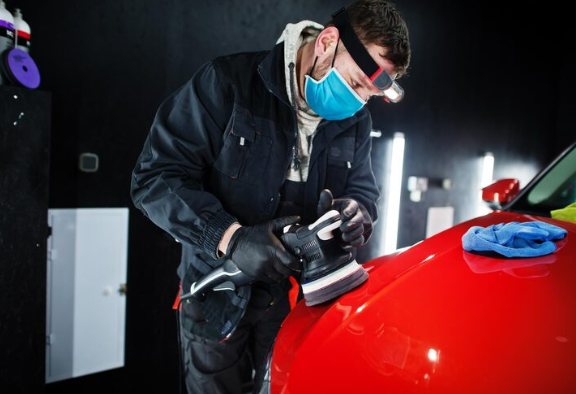
Choosing to have your ceramic coating installed by a professional can significantly influence the overall outcome of your vehicle’s protection. Proper preparation and precise application techniques enhance the bonding process, ensuring that the coating achieves its full potential during the curing time. A professional installer will also be well-versed in handling the environmental challenges that can affect curing, thereby ensuring an optimal finish.
Expert Aftercare Tips
To maximize the benefits of your ceramic coating, consider these aftercare strategies post-curing:
- Routine maintenance washes using pH-neutral products are recommended.
- Inspect your vehicle regularly for contaminants that may affect the coating.
- Limit exposure to harsh environmental conditions until the coating fully hardens.
Understanding the curing process of ceramic coatings is crucial for ensuring long-term paint protection and enhancement of your vehicle’s appearance. From maintaining ideal environmental conditions to adhering to aftercare practices, everything matters in the pursuit of a durable finish. By following these guidelines, you can protect your investment and enjoy the long-lasting benefits that ceramic coatings promise.
For those seeking high-quality ceramic coating services, consider exploring solutions with Krome ‘N Shine Detailing for exceptional results and protection.